

Bush clearing is the first paid job on most new farms in Kenya, and the one most often quoted by the hour with no plan behind the number. The land arrives covered in scrub, rank grass, thorn and the stumps of trees felled years ago. Before a plough, a drip line or a fence post goes in, that cover has to come off. How it comes off decides what soil is left underneath.
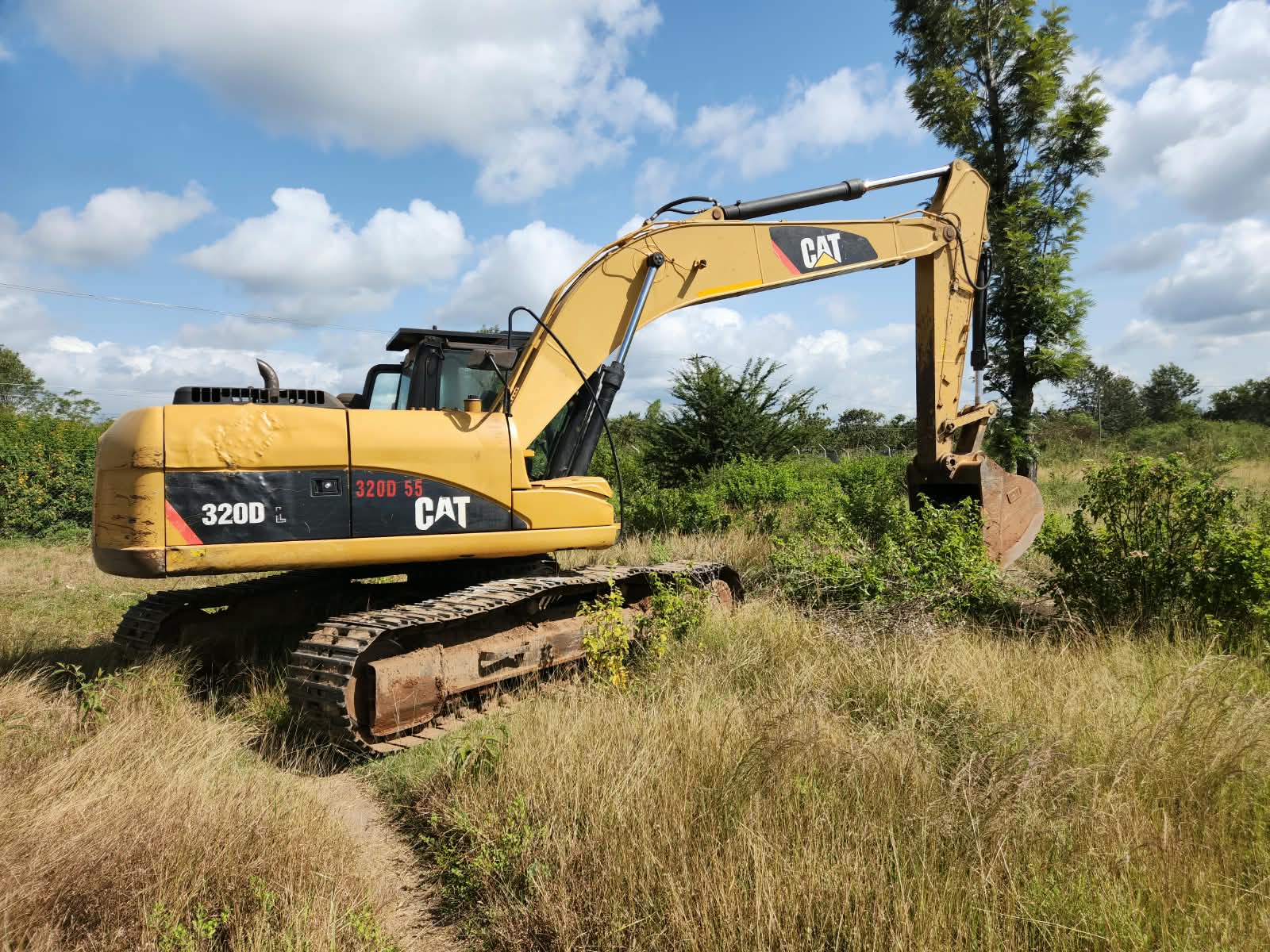
The job has a clear end point. Bush clearing removes woody and rank vegetation from the area that will be cultivated, and takes the root mass with it. It does not plough, level or destone the field. Those come afterwards, and they are covered in the seven steps of land preparation for drip irrigation. Confusing the two is how budgets fall apart, because the clearing quote then arrives without stumps, disposal or a second visit.
This page sets out the bush clearing process in the order it runs on a Kenyan farm. It covers what to cut and what to leave, the method that keeps your topsoil, and what happens to stumps and debris. It also covers the timing, and the rules that apply when trees and fire are involved. And it explains why no per-acre rate is printed here.
What Bush Clearing on a Farm Actually Involves
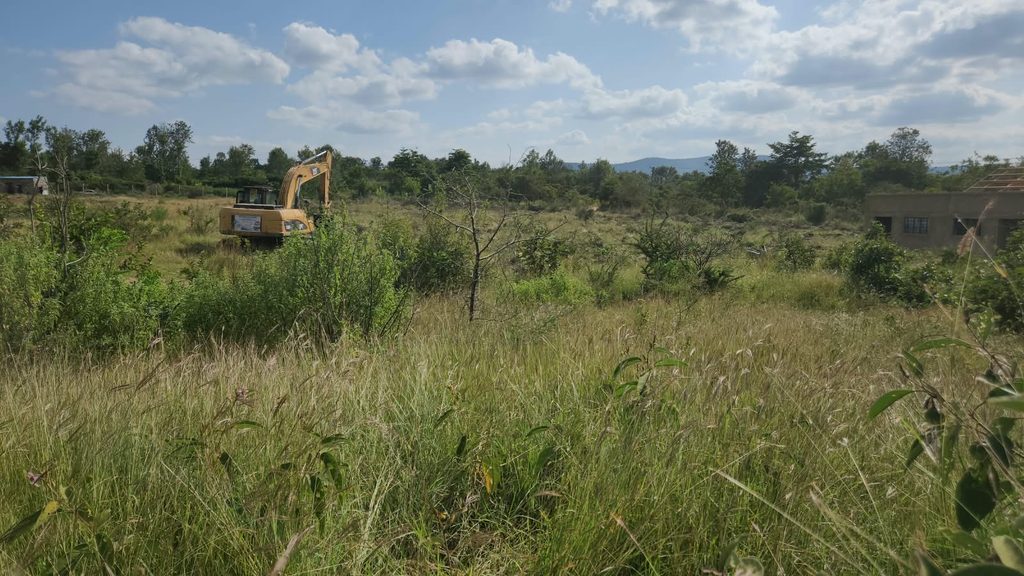
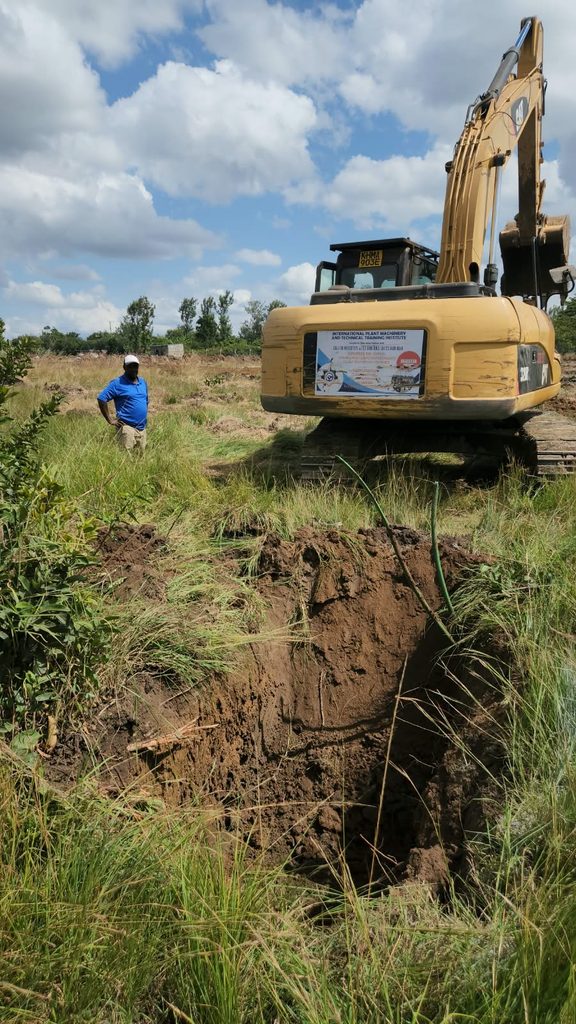
Three products come off a block during bush clearing. The first is timber and firewood that can be sold or kept. The second is material that has to be stacked, chipped or burned. The third is root mass. That is the part most quotes leave out, and the part that decides whether the field can be ploughed cleanly.
Work out the standard before the machines arrive. Cutting to ankle height leaves stumps that a plough will hit. Cutting flush leaves less to grind. Pulling the roots leaves a field that can go straight to the first pass. The cost, however, is soil disturbance and time.
There is also a boundary to the work. A block cleared to its fence line and no further keeps its windbreak and its shade. It also keeps the vegetation holding the stream bank. A block cleared wall to wall loses all three, and the owner usually notices in the first dry month.
Before Bush Clearing: Walk, Measure and Decide What Stays
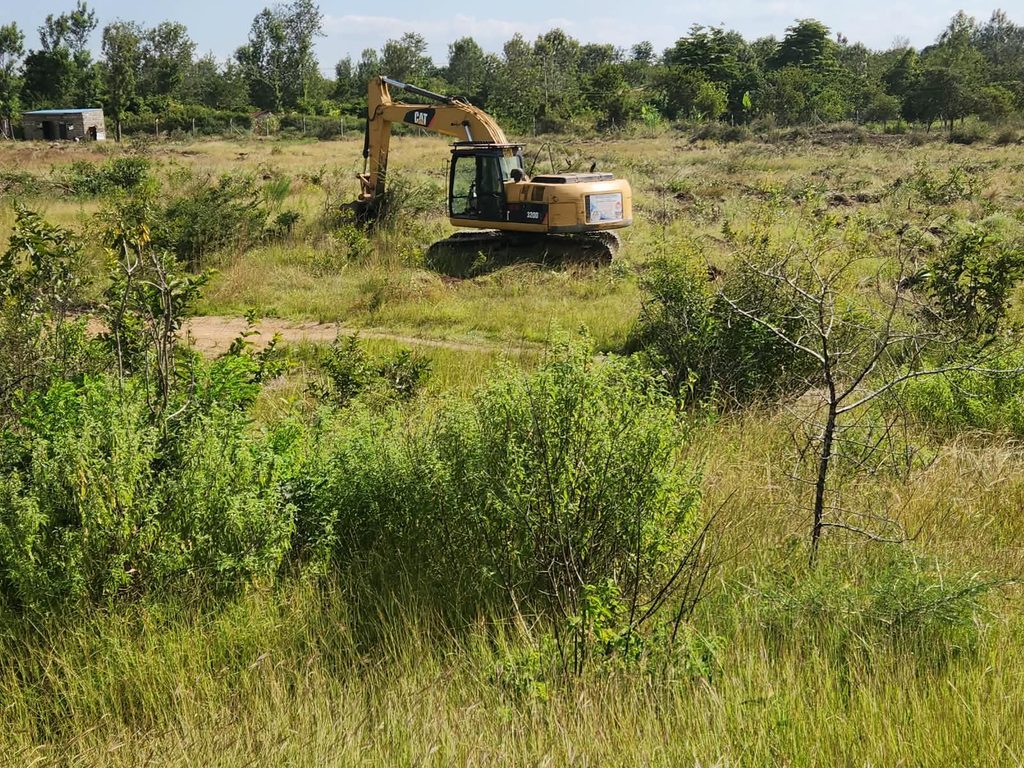
The first visit is a walk, not a quote. Every bush clearing quote should start with that walk. Walk the boundary with the owner and mark the corners. Measure the area with a hand-held GPS or a phone app. An eyeballed acre is how a job ends up half priced.
Then decide what survives. Boundary hedges mark the line and slow wind. A few mature trees give shade for workers and livestock. Grass and shrubs along a stream or a seasonal channel hold the bank together. On steep ground, leave a strip of untouched vegetation above and below the cultivated block. That is cheaper than repairing a gully later.
Record what the block contains. Count the stumps and note their size. Note rock outcrops, old homestead sites, water points and anything the owner wants left alone. Access also matters as much as area. A machine that cannot reach the far corner without crossing a neighbour’s land changes the price.

Take photographs before anything is cut. They settle arguments about what was standing when the work started. They also show the owner what the block looked like when the price was agreed.
What Comes Off the Land, and Why Size Sets the Method
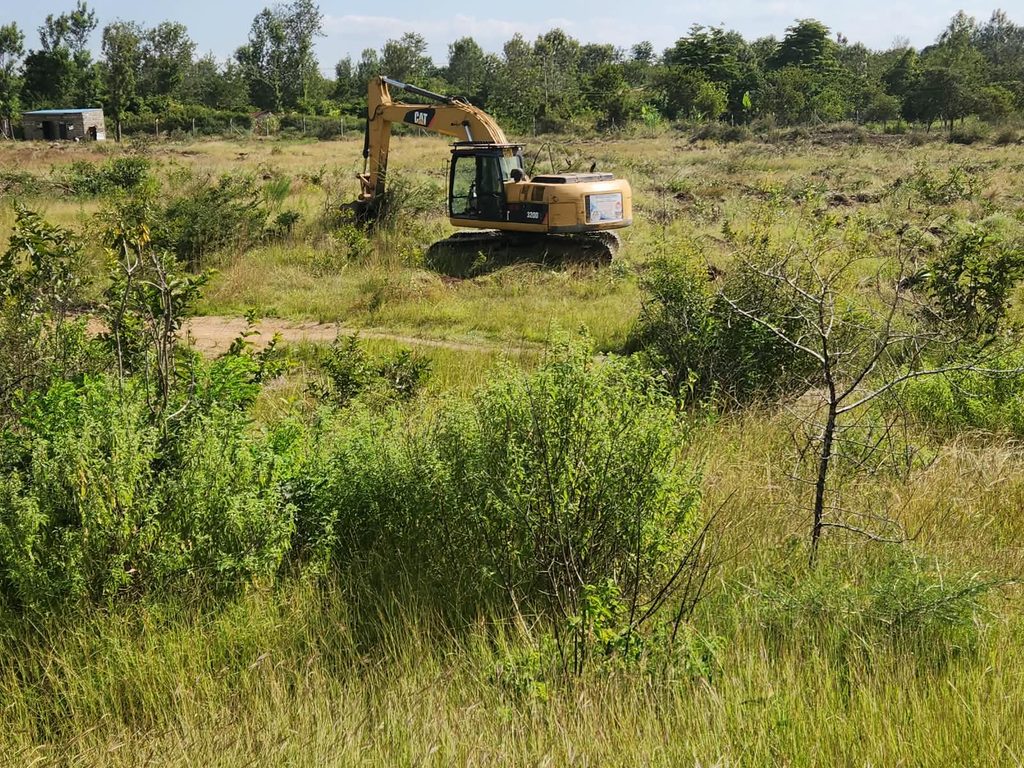
Vegetation falls into four working classes, and each behaves differently under a machine. Grass and weeds cut fast and regrow fast. Scrub up to wrist thickness takes a brush cutter or a slasher. Secondary bush and coppice need a chainsaw or a mulching head. Trees and stumps need an excavator, a rake or a grinder.
The root mass is the hidden half of the job. Coppicing species put more material below ground than above it. A block that looks light can still carry a heavy root load. That load is what breaks plough shares and lifts a disc out of the ground.
Mixed blocks are, however, the normal case in Kenya. A field may hold light grass on one side and twenty-year coppice on the other. Price and programme should follow the classes, not the average, because the far corner is often the expensive one.
Bush Clearing Methods, and What Each Costs You in Soil
There are five methods in common use. They differ less in speed than in what they do to the soil.
Manual and motor-manual. Slashing, brush cutting and chainsaw felling leave the soil almost untouched. They suit light scrub, steep ground, boundaries and anything within a few metres of water. The cost is labour and time, and the debris still has to be handled.
Bulldozer. A straight blade clears fast and is easy to hire. It is also the method that does the most damage. As the Virginia Cooperative Extension guide puts it, bulldozers and front-end loaders “make for quick and relatively easy clearing”, but it “nearly always destroys the topsoil”. When roots are ripped out, “a significant amount of valuable topsoil is often lost”.
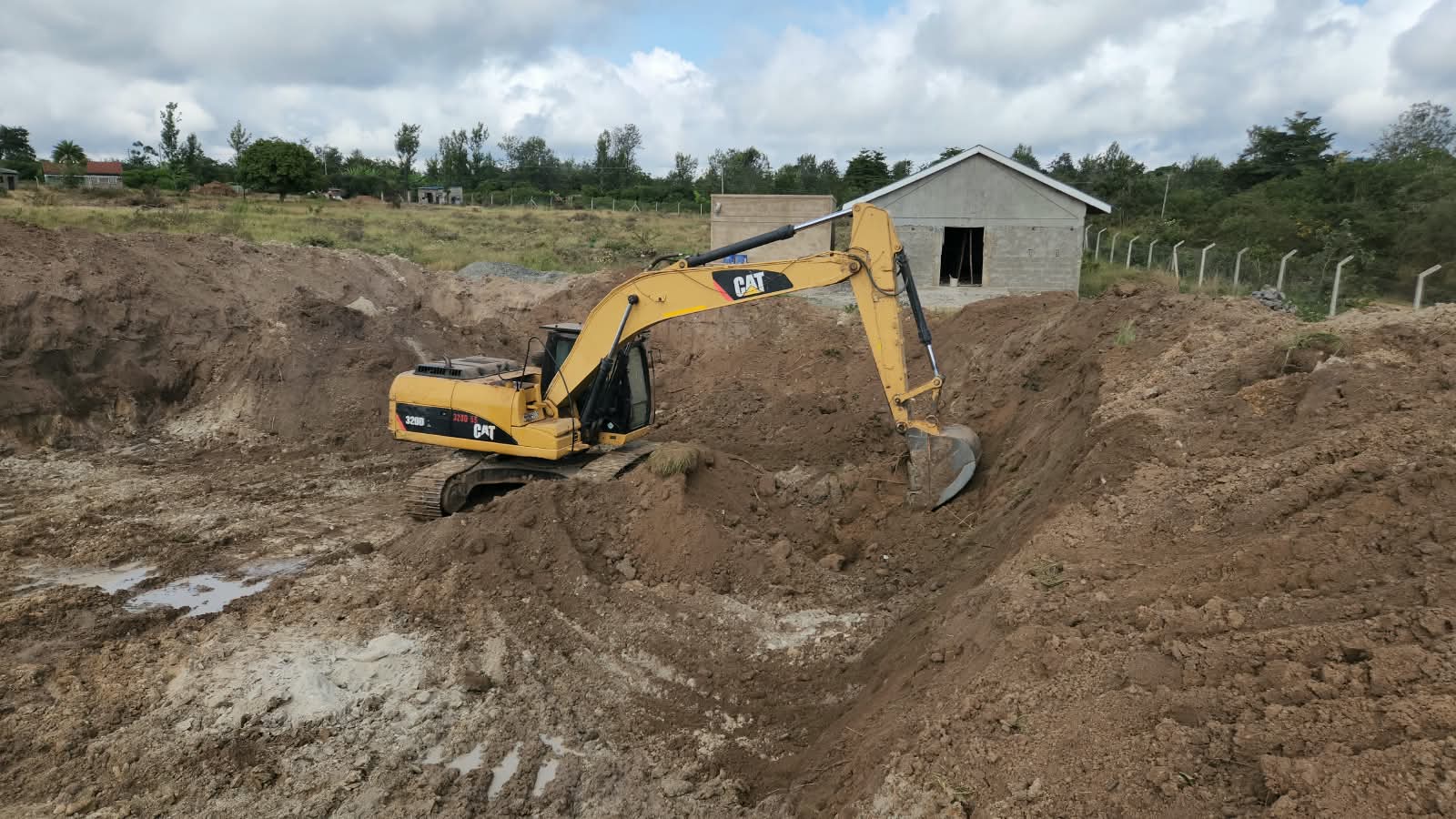
Excavator with a root rake. The rake lifts roots and lets soil fall back through the tines. The same guide notes that an excavator and root rake “will result in fewer disturbances, but it will not eliminate the loss of topsoil”. In practice the difference is visible in the pile. A rake stack is mostly wood, while a blade stack is wood mixed with the best soil off the block.
Forestry mulcher. A mulching head pushes stems down and chips them in place. The guide describes heads that “push down and mulch stems up to 6 to 8 inches in size and grind out a wide range of stump sizes”. Mulching keeps organic matter on the site and reduces erosion. It also costs more per hour, and rocky ground is not suitable.
Goats. The same guide names goats as a way to clear underbrush and smaller trees in a designated area. It works on light growth and takes weeks. It is a sensible first pass on land that will be fenced anyway. It is a poor choice where the block must be ready for a rig or a plough.
| Method | Best ground | Effect on topsoil | Debris left behind |
|---|---|---|---|
| Slashing and brush cutting | Light scrub, steep ground, water margins | None, soil undisturbed | Cut stems, regrowth from stumps |
| Chainsaw felling | Secondary bush and trees | Minimal, apart from tracks | Logs, branches, high stumps |
| Bulldozer, straight blade | Heavy bush, large blocks, easy access | High risk, topsoil pushed into piles | Mixed soil and root stacks |
| Excavator with root rake | Mixed blocks, stumps, rocky ground | Lower, soil falls back through tines | Cleaner root stacks |
| Forestry mulcher | Secondary growth, stumps, non-rocky ground | Lowest, organic matter retained | Chip spread on the surface |
Why a Root Rake Beats a Straight Blade
The rake is a set of heavy tines with gaps between them. Roots and stems ride on the tines while loose soil drops through and stays on the field. A straight blade has no gaps, so everything in front of it moves together, soil included.
That single difference changes the rest of the job. Clean root stacks burn and chip better, because soil smothers a fire and blunts a chipper. The field keeps the layer that will grow the crop. And the operator can work the surface repeatedly without stripping it back to subsoil.
A blade still has a place. Once material is cut and stacked, a blade can push the stacks to a burn site or a loading point. The mistake is using it to grub, which is the operation that takes the topsoil.
Stumps: Pull, Grind, Cut Flush or Leave
Four options exist, and the right one depends on species and on what the field will carry.
Pull. An excavator lifts the stump and its main roots. The field is then clear for a plough. The cost is a hole to backfill and a pile to dispose of.
Grind. A mulching head or a stump grinder takes the stump down below plough depth. The root stays in the ground and decays. This suits blocks where soil loss matters more than speed.
Cut flush and treat. Cutting alone is not enough for species that coppice. The Virginia guide is direct on this point: most hardwood trees “vigorously sprout on the stump unless something is done to kill the root system of each tree cut”. It notes that herbicide applied to a fresh cut stump is absorbed and carried to the roots. That happens within about 15 minutes for water-based products and up to 1 hour for oil-based ones. The product and the label are the owner’s decision.
Leave, and cut later. Some species rot on their own. The guide gives 3 to 5 years for pine stumps, with one exception that sprouts. Leaving stumps high makes a follow-up cut easier. A low stump leaves nothing to lever against.
Whichever route is chosen, plan a follow-up. A cleared block that is not walked again in three months will have regrowth on the stumps and along the margins.
Burning, Chipping or Piling: What to Do With the Debris
Piling and burning is the cheapest disposal and the most common. It is also the one that needs the most care. A pile of roots and soil will not burn well, so rake stacks are easier to burn than blade stacks. Smoke and fire risk rise with the size of the pile, and a burn on a windy afternoon is how a boundary hedge disappears.
Chipping or mulching keeps the material on site. The chips can be spread over the cleared ground, where they hold moisture and slow erosion while the field is bare. Because it needs a machine on site, chipping usually rides along with a mulching contract rather than a dozer one.
Windrows are a third option, and they carry a cost that shows up later. A windrow of roots and brush beside a field gives rats and moles cover. Those animals chew drip tape. That is exactly the problem the land preparation page warns about when it tells you to keep field margins short. If a windrow is kept for habitat, keep it well away from the tape.
Where the timber has value, sell it or keep it for the farm. Firewood, poles and saw logs can offset part of the clearing cost. The decision has to be made before felling, because a tree cut for firewood is not a tree cut for timber.
When Bush Clearing Should Happen
Clear in dry conditions. Dry soil carries a machine without rutting, and cut vegetation dries fast enough to burn or chip. Wet ground is the opposite: tracks sink, the surface smears, and a pass that should have loosened the soil compacts it instead.
Work backwards from the planting date. Bush clearing comes first, then stumping and destoning, then the first ploughing. Each stage needs a dry window, and the rains do not wait. A block cleared two weeks before the short rains usually ends up ploughed wet. That undoes part of the benefit.
There is also a regrowth argument for clearing early. A first cut followed by a second pass after the stumps shoot gives a cleaner field than a single late cut. The second pass is cheap once the debris is gone.
Finally, match the clearing date to the rest of the project. The machine hours for land preparation cannot start until the block is clear. A rig or a kit that arrives early sits idle. Put the float at the start of the programme, where the clearing sits.
The Kenyan Rules That Apply to Bush Clearing
Two provisions of the Forest Conservation and Management Act 2016 matter on a farm.
The first protects named species wherever they stand. Section 40(2) says: “No person shall fell, cut, damage or remove, trade in or export or attempt to export any protected tree species or family of trees or regeneration thereof or abet in the commission of any such act.” The list is set by the Cabinet Secretary through a gazette notice, and it is not reproduced here. If a block carries a species on that list, it stays.
The second applies to forest land. Section 64(1) provides that, except under a licence, permit or management agreement issued under the Act, no person shall, in a public or provisional forest, fell, cut, take, burn, injure or remove any forest produce, or clear, cultivate or break up land for cultivation, or set fire to any grass or undergrowth or any forest produce, or bring in a chain saw or logging equipment. Farmland outside those categories is not covered by that subsection, but land that falls inside one of them needs the licence before a machine moves.
Burning on private land is a separate question. Confirm the current position with the county before a large burn, and keep the fire away from boundaries, fences and dry grass. The Act’s restrictions on fire and chain saws inside forest land are strict for a reason.
Bush Clearing on Slopes, Wet Ground and Along Water
Steep ground loses soil faster than any other. Once the cover is gone, the first heavy rain carries the top layer downhill and into the nearest channel. Leave a strip of vegetation on the steepest part, and keep the cleared area broken up, not one bare sheet.
Water margins are the second limit. Clearing to the waterline removes the roots that hold the bank and the shade that keeps the channel cool. Leave a buffer along streams, seasonal channels and dams, and route the cleared material away from them.
Bare ground also needs a plan for the gap before the crop covers it. Mulch, a cover crop or a fast grass on the margins will hold the surface. If the block drains toward a neighbour or a road, put a silt trap at the low point. The drainage line design work belongs at this stage, not after the first storm.
Wet ground deserves its own note. A block that holds water needs to drain before it is worked. A machine sent in early leaves ruts that a harrow cannot fix, and the compacted strips stay visible in the crop for seasons.
From Bush Clearing to First Ploughing: The Order of Work
The sequence below keeps each stage from undoing the one before it. It also shows where the neighbouring pages take over.
| Stage | What happens | Who or what follows |
|---|---|---|
| 1. Demarcate | Walk the boundary, mark corners, measure the area and note what stays | The quote and the programme |
| 2. Cut and clear | Slash, fell or mulch to the agreed standard, leaving buffers | Debris handling |
| 3. Stack | Rake or carry material to burn or chip sites, away from boundaries and water | Disposal decision |
| 4. Stumps | Pull, grind or cut and treat, then plan the follow-up visit | Deep tillage |
| 5. Dispose | Burn, chip or sell the stacked material | The seedbed |
| 6. Destone | Remove rock and sharp debris, as the land preparation sequence requires | The first ploughing |
| 7. First pass | Plough, harrow and level, then form beds or mark the drip layout | System installation |
A dam basin, a fence line and a drainage trench each change the order slightly. The dam excavation and the fence installation both need their own strip cleared first, and both produce spoil that has to go somewhere. Mark those strips on the plan before the main block is opened.
What Drives the Cost of Bush Clearing
No per-acre rate is printed on this page, because none is published for Kenyan conditions and an invented figure would be worse than none. The drivers are measurable, and a quote can be checked against them.
Area sets the base. Density and stem size set the multiplier, because heavy coppice takes several times the machine time of light grass. Stumps add a separate operation. Rock, slope and access also add time before any cutting starts. Disposal adds either machine hours or a burn crew. Haul distance decides whether the timber pays for part of the work.
One published figure helps as a planning band, not a price. The Virginia guide records that on the sites it reviewed, an acre may take 1 to 8 hours to clear, depending on vegetation, site size, soil and terrain. The spread is the point: two blocks of the same area can differ eightfold in machine time. That spread is why a bush clearing quote is only as good as the survey behind it.
Ask any contractor four questions. Is the area measured or estimated? Which method is quoted, and why that one? Are stumps and disposal inside the price? Is a follow-up visit included? A quote that answers all four can be compared with another. A quote that answers none of them cannot.
Frequently Asked Questions About the Bush Clearing Process
How long does bush clearing take?
It depends on the class of vegetation and the method. Light grass and scrub can be cut in a day on a small block. Heavy coppice, stumps and rocky ground can take several days per hectare. The useful planning band for mulching is 1 to 8 hours per acre, which is why the area and the density have to be measured before a date is promised.
Do I need a permit to clear bush in Kenya?
Not for ordinary vegetation on private farmland. A permit is needed if the block contains a protected tree species, or if the land is a public or provisional forest, where the Forest Conservation and Management Act 2016 requires a licence before felling, clearing or burning. Check both questions before a machine starts.
Can I burn the cut bush?
Piling and burning is common, and it is the cheapest disposal. Burn when the material is dry, keep the fire away from boundaries and fences, and confirm the county’s current position before a large burn. Fire is restricted on forest land under the Act.
Will the bush grow back after clearing?
It will where stumps stay alive. Most hardwood species sprout from a cut stump unless the root system is killed, and coppicing scrub returns faster than it was cut. A follow-up slashing after the first regrowth is cheaper than repeating the whole job.
Is a bulldozer the fastest way to clear land?
It is usually the fastest and often the cheapest per hour. It is also the method most likely to remove your topsoil, because a straight blade pushes soil along with roots. An excavator with a root rake is slower and costs more per hour, but it leaves more of the growing layer in place.
Should the land be cleared before the drip system is designed?
Yes. The cleared block sets the layout, the block sizes and the access routes. Designing first and clearing later means the design is redrawn, and the land preparation steps already assume a clear field. Clearing also reveals the rock and slopes that decide where the lines can run.