

Table of Contents
Feed Chopper for Sale in Kenya
A feed chopper for sale in Kenya is the machine most dairy farmers reach for when they need green fodder and silage cut fast. It differs from a dry-hay cutter because it handles wet, bulky material without choking. This page lists the feed chopper models we publish prices for, the output each one gives per hour, and how to pick the right size for your herd.
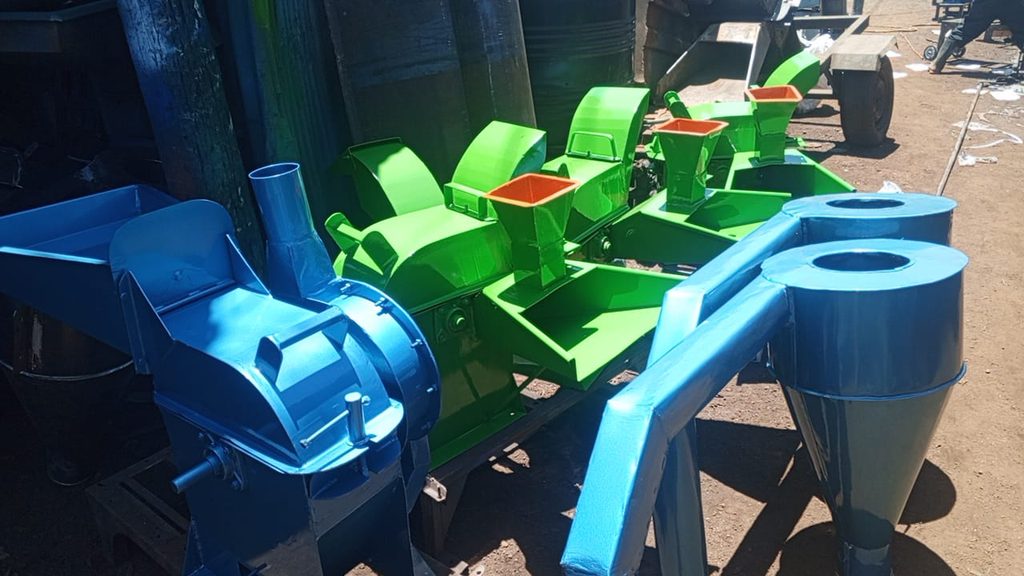
What the Machine Does
The chopper cuts standing forage into short, even pieces. First the grass or maize stover passes through a set of blades. Then the cut material drops onto a discharge chute. Because the pieces are uniform, animals eat more of them and waste less.
Farmers use it on napier, maize stover, sorghum and hay. The same machine prepares material that you then store as silage, which is chopped green feed fermented in a pit or bag. Chopping before storage is what lets the pit compact properly.
Feed Chopper Prices in Kenya
Prices below come from the tables we publish on our chaff cutter guide and our operations article. Confirm the current figure before you buy, because motor and engine costs move.
| Model | Power source | Output per hour (kg) | Price (KSh) |
|---|---|---|---|
| Petrol Feed Chopper | 7.5 hp petrol engine. | 2000 to 2500. | 38,000. |
| Electric Feed Chopper (Standard) | 3 hp electric motor. | 1000 to 1200. | 40,000. |
| Electric Feed Chopper (High-Capacity) | 5 hp electric motor. | 1300 to 1750. | 45,000. |
| High-Speed Feed Chopper | 3 hp electric motor. | 1000 to 1250. | 48,000. |
| High-Speed Feed Chopper | 7.5 hp petrol engine. | 1000 to 1300. | 45,000. |
| Diesel Feed Chopper (Heavy-Duty) | 7.5 hp diesel engine. | 2500 to 4500. | 65,000. |
| Diesel Silage Chopper (Professional) | 18 hp diesel engine. | 5000 to 7500. | 175,000. |
The Seven Models We List
Seven entries sit in the table above, and each suits a different farm. The petrol unit is the cheapest and needs no wiring. For example, a small zero-grazing unit with one bull animal can run on the 3 hp standard motor. Likewise, a commercial silage contractor would look at the 18 hp diesel machine.
Note that two pairs share a name. The high-speed label appears on both a 3 hp electric and a 7.5 hp petrol model, so compare the power column rather than the model name alone. Related reading sits in our chaff cutter category.
Petrol, Diesel or Electric?
Start with your power source, because it decides everything else. An electric motor is quiet and needs little service, but it only runs where you have a reliable connection. However, a petrol or diesel unit works in a shed with no wiring at all.
Diesel models give the highest throughput per hour. They also cost the most to buy and to service. Therefore match the engine to the volume you cut each week, not to the biggest herd you hope to keep.
Match Output per Hour to Your Herd
Output is the honest starting point. Take the number of animals, then estimate the fodder each one eats in a day. Multiply by the days you want to cover in a single cutting session.
Typically, a ten-cow unit that chops once a week does well on the 1000 to 1750 kg band. A buyer supplying several neighbours should begin at 2500 kg per hour. Specifically, the 5000 to 7500 kg machine is a service business machine, not a farm machine.
Chaff Cutter or Feed Chopper: Which Do You Need?
Many farmers use both names for one machine, and our own chaff cutter listing covers the shared parts. The difference is the material. A chaff cutter is built for dry straw and hay, while a chopper takes green fodder and silage.
Choose the chopper if you cut standing crop and then store it wet. Choose the cutter if you bale dry hay. Also read our page on chaff cutters for sale in Eldoret before you decide, because the two machines share blades and rollers.
Cutting Length, Blades and Digestion
Cutting length changes how the animal eats. Short pieces pack into the rumen and raise intake, so milk yield follows. Too fine, however, and the ration loses the fibre that keeps chewing steady.
Blade count and power rating together set the output, and the models here differ on both. Rather than guessing, ask for the blade count and the motor rating for the exact unit you are shown, then compare it to the table above.
Silage Choppers and the Blower Attachment
The professional diesel unit ships with a blower. It blows chopped material away from the discharge point instead of letting it fall in a heap. Consequently, filling a pit or a big bag becomes a one-person job.
A blower also spreads the chop evenly, which matters when you compact the pit in layers. For guidance on handling the cut crop, see the FAO animal production programme.
Safety Guards and Manual Units
Every powered model on this list cuts at speed, so ask to see the guard fitted before you buy. Our published specifications note multiple cutting speeds and safety guards fitted to protect the person feeding the machine. First check that the hopper cannot be reached while the blades turn. Then confirm the belt and pulley covers are present, not stored in a sack.
A manual unit is another choice for a very small herd. The hand machine in our tables is rated at 0.8 tonnes per hour with three high-carbon-steel blades. It is light, so it moves between sheds easily. However, one person must turn and feed it, which limits how long a session you can run.
Feed Chopper Maintenance Routine
Maintenance is short and it is regular. Clean the hopper after every session, since wet fodder dries into a crust that blocks the feed path. Then check the blades for nicks and shut the machine down before any adjustment.
Also grease the bearings on the schedule your dealer gives you. Finally, store the unit dry. A chopper left in a damp shed rusts at the blade bolts first, and that is the part you do not want to replace.
Where to Buy in Kenya
Eunidrip supplies feed machinery from our Nakuru base. You can order through our online shop, or read how to make agricultural orders online first. The shop address is George Morara Road, Nakuru town. For the machines that go with a chopper, look at the hay baler, the animal feed mixer and the forage harvester listings.
Call +254 728 163329 with your herd size and your power source. You can also send the details through our contact page. We will quote the model whose hourly output covers your weekly cutting session, not the largest machine in the range.
Frequently Asked Questions About Feed Choppers
Which feed chopper is cheapest in Kenya? The 7.5 hp petrol unit heads the published list at KSh 38,000, and it is also the highest-output machine in that price band.
Can one machine cut both hay and green fodder? Yes for light volumes, but wet material needs a hopper and blades set for green crop. Dry hay service is covered on our chaff cutter pages.
Do I need a blower? Only if you fill a pit or bag. A blower moves the chop away from the chute, which saves a second worker during long sessions.
How much power do I need? Start from hourly output, not horsepower. A 3 hp electric model cuts 1000 to 1200 kg per hour, while the 18 hp diesel unit reaches 7500 kg.
Is a chopper the same as a forage harvester? Both chop standing crop. A harvester usually picks the crop in the field, while the machines here receive cut material at the hopper.