

Table of Contents
Land tilling contractors prepare the upper soil layer for sowing, transplanting or a planned crop row. Our land tilling contractors assess the existing field finish, seed size, soil moisture and planting equipment before choosing a cultivator, harrow or rotary tool. The goal is a workable seedbed at the specified depth, with enough firmness for seed contact and no unnecessary soil disturbance.
Tilling may follow primary ploughing, but it is a different operation with a different acceptance test. Ploughing turns or loosens a larger soil layer. Here, the job is to break up the remaining hard lumps of soil, level the surface, manage young weeds and leave the planting zone ready. These seven checks help you arrange and inspect that work.
1. Land tilling contractors: define the finished seedbed
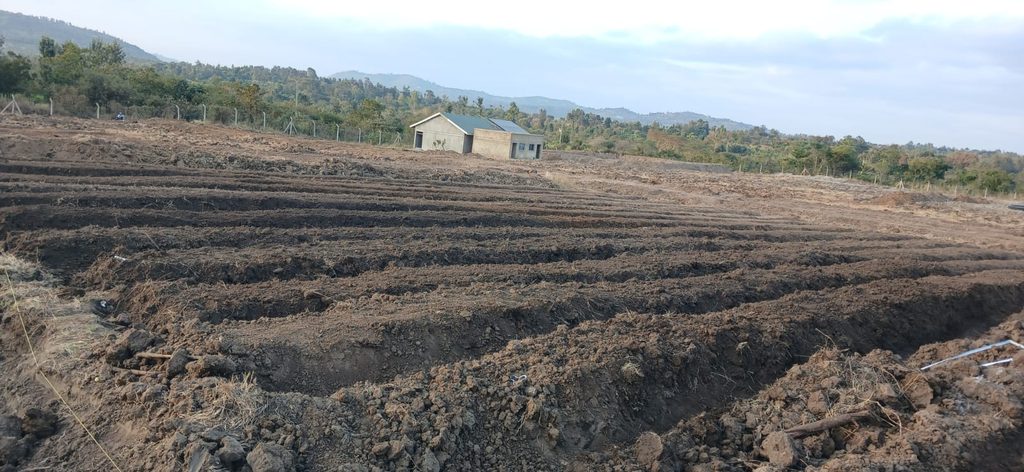
Begin with the crop and planting method. A crop sown directly from seed, a transplanted vegetable and an orchard row need different surface conditions. Record the area, row spacing, working depth, acceptable size of soil lumps and planting date. Also say whether the job includes mixing crop remains into the soil, weed control, levelling, bed shaping or one finishing pass only. This gives the operator a clear result to deliver.
Ask the contractor to prepare a short test strip. Next, check it with the person who will plant the crop. If the planter cannot hold depth or a transplant tray cannot be set evenly, adjust the tool before the full block is tilled. Consequently, the test strip becomes a practical acceptance standard.
2. Land tilling contractors: check moisture and previous passes
Inspect several places, not just the dry field entrance. Wet soil can smear under a rotating blade or pack tightly beneath tractor tyres. Very dry soil may turn to dust while leaving hard lumps below. Our team checks the soil at the planned working depth and marks wet patches for later. In addition, we review the previous ploughing or ripping pass so a shallow tool is not expected to break a hard layer deeper down.
The FAO soil management manual explains that secondary tillage normally prepares a shallow sowing layer. Its guidance supports matching the pass to the seedbed, because working deeper than needed can lose moisture. The precise depth still depends on the crop and field inspection.
3. Land tilling contractors: select the finishing tool
A tine cultivator loosens and levels the soil while leaving some crop remains on top. Similarly, a disc harrow can cut those remains and break soil lumps, but the operator must check the depth and avoid a hard, smooth surface. A rotary tool can make a finer finish on a suitable bed, yet repeated passes may leave the surface too powdery. Therefore, choose by the test strip, soil condition and planting tool rather than the machine name alone.
Where a tractor is needed, our Zoomlion tractor is an option to assess against the chosen implement’s horsepower, hitch and working width. The specific model and attachment must be checked before quoting a field output. A machine that is too wide for the headland loses time at each turn; one that is too narrow may require excessive passes.
4. Land tilling contractors: set depth and number of passes
Set a starting depth on the test strip and measure it after the tool has travelled at working speed. Next, check across the implement width, including the edges, because a level-looking surface can hide an uneven layer. Then decide whether a second pass actually improves the seedbed. Moreover, extra passes cost fuel, disturb residue and can dry the upper soil; they are not a quality target by themselves.
For example, if the first pass leaves large hard lumps, changing the tool setting or waiting for better moisture may help more than repeating the same pass. If the bed is too loose, it may need to be pressed down gently before planting. The FAO manual also notes this need to firm a loose seedbed. Agree on the finish before the contractor leaves, since a later repair pass means bringing the machine back.
5. Land tilling contractors: manage weeds and residues
Ask whether tilling is intended to cut existing weeds, prepare a stale seedbed or merely finish a clean field. A shallow pass can remove young weeds, but established perennial roots need a separate plan. Meanwhile, retain enough suitable residue to protect exposed soil where the planting equipment can handle it. Do not mix stones, wire or woody material into the seedbed; remove those hazards before the tool begins.
For inter-row work after establishment, the crop row spacing, root spread and irrigation lines limit the tilling width and depth. That is a separate service from pre-plant finishing. Mark the crop protection zone and use an appropriate tool before any return pass.
6. Land tilling contractors: coordinate irrigation and beds
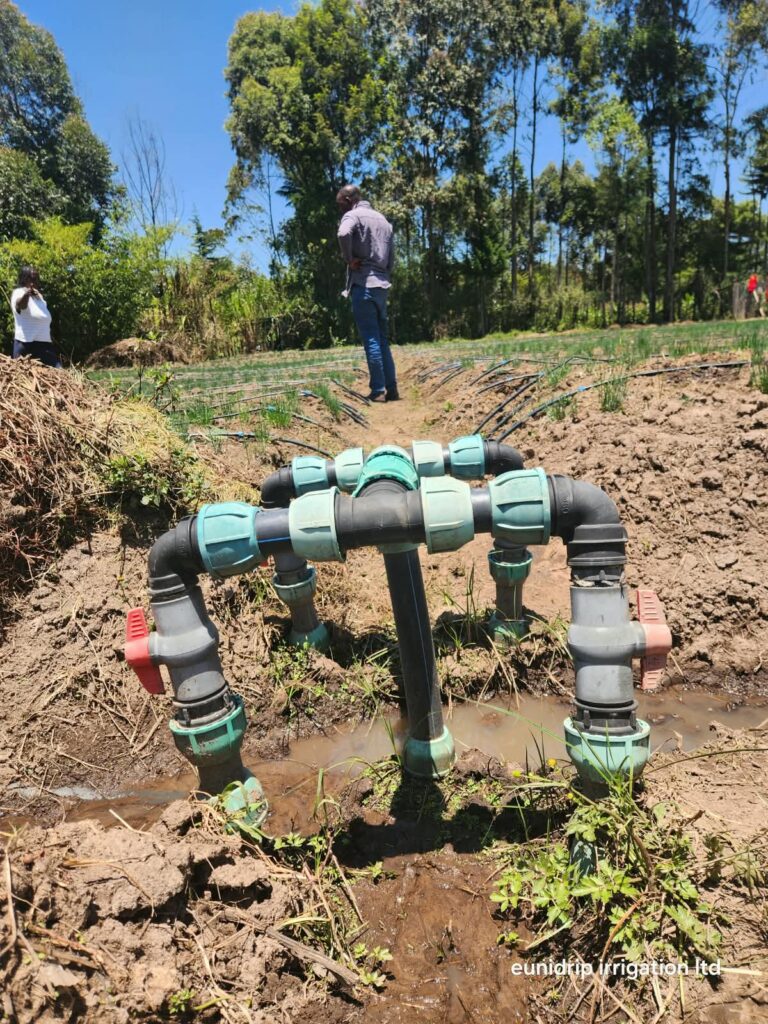
Set row direction and bed spacing before the final pass. Our irrigation solutions team can align laterals, access paths and drainage with the finished surface. Existing buried lines and valves must be marked for the operator. If new irrigation pipes are planned, place them according to the approved layout after heavy machine work has finished.
A fine seedbed can wash away under poorly directed runoff. Therefore, check the slope and outlet before calling a field ready. The final surface should support the planned wetting pattern without leaving low pockets that pond after the first irrigation.
7. Land tilling contractors: inspect and hand over
Walk across several parts of the field with the contractor and the planting crew. Then measure how deep the tool worked and look for missed strips, hard soil lumps, deep tyre tracks, loose dust and wet patches. Record the completed area, tool setting, passes and sections left for later because they were wet. Finally, photograph the agreed test strip. This gives the planting crew a clear standard and shows what needs fixing before sowing.
Quotation and equipment checks
Ask for a quote that states the measured area, finishing tool, working depth, test strip, pass count, fuel, mobilisation, weather terms and handover. If the field is already ploughed, say so explicitly. The quote can then cover seedbed finishing rather than charging again for primary tillage. Our relevant shop items are selected only after the tool and irrigation layout are known.
| Product | Selection check |
|---|---|
| Zoomlion tractor | Confirm chosen model, implement power demand, hitch and working width for the field. |
| Irrigation pipes | Specify diameter and pressure rating in the irrigation plan and protect the route during tilling. |
Product selection follows the measured field and irrigation plan.
Frequently asked questions
Is tilling the same as ploughing? No. This service focuses on the upper planting layer and finishing after any required primary operation.
How fine should the soil be? Fine enough for the chosen seed or transplant and planting tool, without turning the whole surface into loose powder.
Does every field need a second pass? No. Inspect the test strip and use another pass only when it improves the agreed finish.
Can a contractor till wet soil? The operator should pause sections that smear or rut and reassess them when conditions improve.
What should I send for a quote? Send location, area, crop, previous field work, soil condition, desired planting date and access details.
Share your crop and planting method with our team. Our land tilling contractors can inspect the field, agree a test strip and deliver a measured seedbed finish for the next operation.