

Table of Contents
A bed making machine shapes prepared soil into raised planting beds with a repeatable width, height and path between rows. The right setup depends on the crop, soil moisture, tractor, irrigation method and planting equipment. Before choosing a machine, measure the bed you need and test its shape in the field.
This guide explains how a bed making machine works, where it fits in the field sequence, and seven checks for a good result. The machine may be called a bed former, bed shaper or ridger, but those names do not guarantee the same finished profile. Ask for the measurements and the compatible attachment.
1. Bed making machine: choose the bed profile
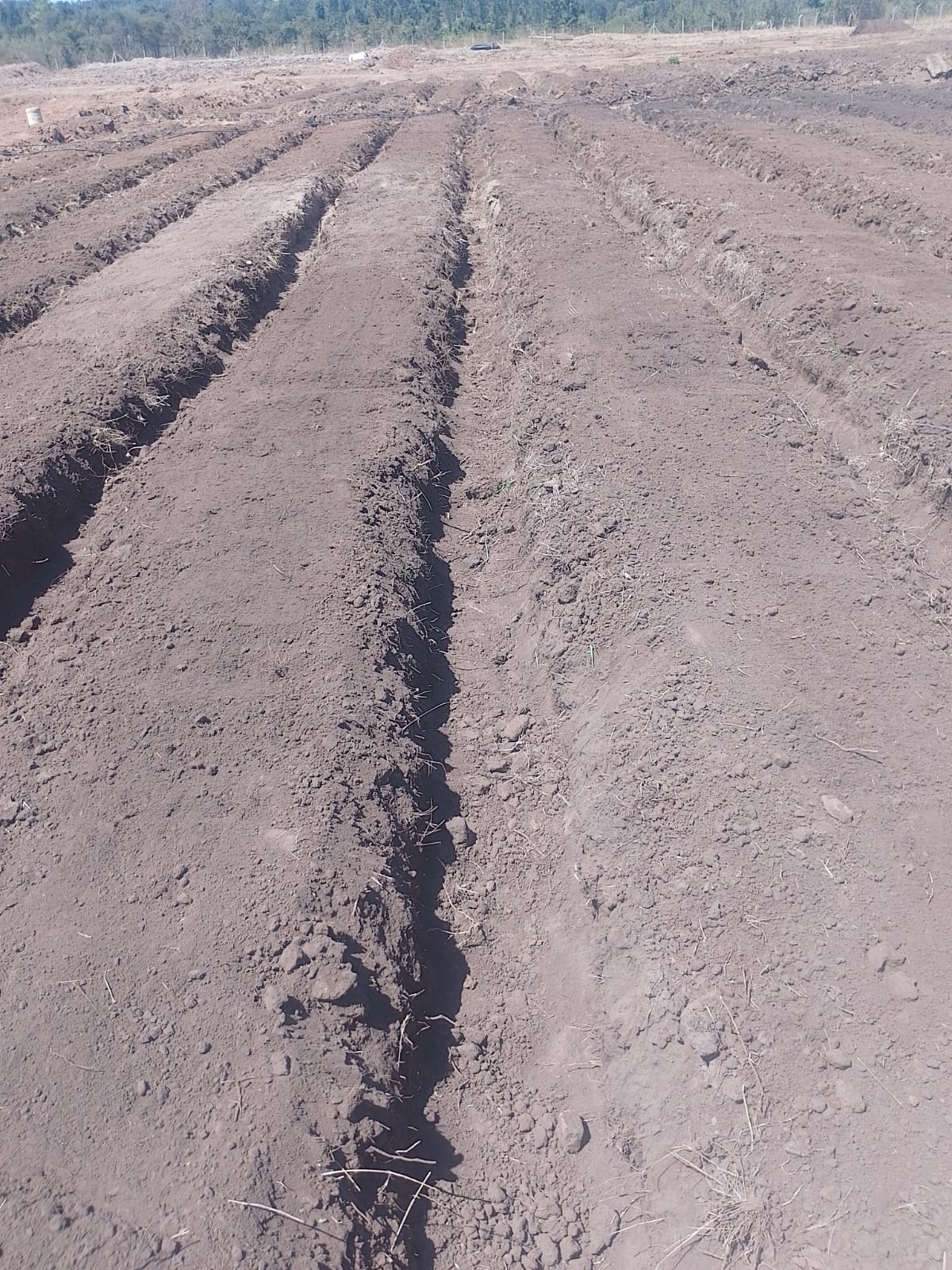
Start with the crop rows. Set the flat planting width, bed height, distance from one bed centre to the next and the path or furrow width. A raised bed can move the root zone above a wet path. A low ridge may be enough where drainage is already good. The machine must leave space for both the plants and workers or tyres in the path.
First, draw the bed shape before requesting a quote. For example, a sketch should show the top, both sloped sides and the bottom of the furrow. Then mark the planned planting rows and drip lines on that sketch. The numbers are project settings, not a universal bed size.
2. Bed making machine: check soil condition
Soil that is too wet can smear under the forming plates and leave a hard, smooth side. Soil that is too dry can break into large lumps and collapse after shaping. Check several parts of the field, including low spots. If one section is wet, mark it for later instead of forcing the same pass across the entire block.
Next, bed forming follows any necessary clearing, primary tillage and surface finishing. A shaper moves soil into a profile; it cannot reliably repair a buried hard layer. The FAO drainage guidance explains how crop, soil and equipment affect bedding and field drains. Therefore, apply its principles to the surveyed site rather than copying a dimension from another farm.
3. Bed making machine: compare tool types
A ridger moves soil toward a row and forms a ridge or furrow. A bed shaper uses forming plates to set a more defined top and sides. Some rotary bed formers also break up the upper soil before shaping it. Combined tools may prepare the surface, form a bed and lay a drip line in one pass if their parts match the field plan.
Ask the supplier which parts adjust the top width, height and centre spacing. Also check wear parts, bearings, depth wheels and how the tool handles crop remains. In practice, a name or photograph alone will not show the width the machine produces at working speed.
4. Bed making machine: match tractor and power
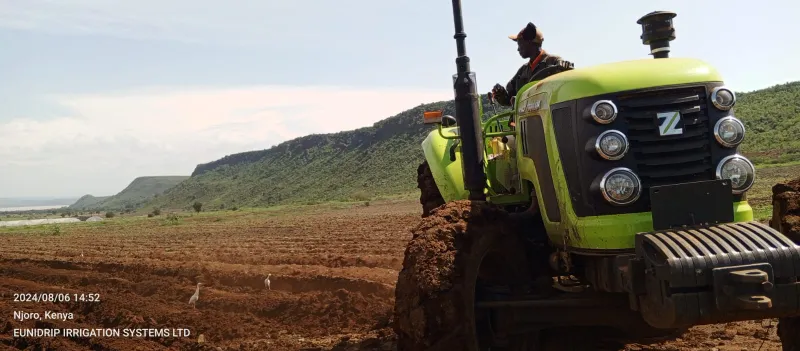
Check the chosen tool’s hitch, weight, power demand, tyre position and turning space against the tractor model. A tractor with enough engine power can still crush a finished bed if its wheels do not fit the paths. Measure tyre spacing and headland width before setting the bed centres. Our Zoomlion tractor is a related option to assess against the selected attachment and field conditions.
Where a hard layer deeper down has been confirmed, a separate chisel plough pass may be considered before bed shaping. It does a different job from the former. Therefore, specify its depth and timing separately so the bed machine is judged on the shape it leaves.
5. Bed making machine: align irrigation
Mark the water source, mainline, valves, beds and access paths before forming the block. If drip lines will sit on the bed, place their proposed positions on a test strip and check that the wetting reaches every planting row. Keep the line away from the bed edge where soil can wash out. Our irrigation solutions team can coordinate row direction and pipe routes with the bed layout.
For furrow irrigation, water travels in the channel between beds. Therefore, check the channel’s slope and outlet, and look for places where water could pond or cut through a bed end. Also mark existing buried pipes and valves before the machine enters the field.
6. Bed making machine: run a test strip
Form a short strip at normal working speed. Then measure the top width, height, centre spacing, path width and straightness at its beginning, middle and end. Place the intended planting rows and a sample drip line on it. Check that the bed stays firm when handled and that its sides do not fall away.
Next, adjust the plates, depth or speed and repeat the strip if needed. Only then form the full block. In addition, take measurements from several beds as work progresses; the first bed can be correct while later ones drift as soil moisture or tool settings change.
7. Bed making machine: inspect the finished block
Finally, walk the first, middle and last beds with the planting operator. Look for narrow tops, uneven heights, blocked paths, stones and wet areas left unfinished. Then record the bed count, measured dimensions, tool settings and sections to revisit. Photograph the accepted test strip. This handover makes the next planting or irrigation pass easier to set up.
Equipment to match to the bed plan
Confirm each product against the actual bed former and site survey before ordering:
| Product | Selection check |
|---|---|
| Zoomlion tractor | Check chosen model, hitch, power, tyre spacing and turning room for the former. |
| Chisel plough | Check working depth and tractor fit only if the field needs a separate soil-loosening pass. |
| Irrigation pipes | Size and pressure rating follow the irrigation design; mark routes before shaping beds. |
The field plan and chosen model specifications determine equipment fit.
Frequently asked questions
Is a ridger the same as a bed former? Both move soil, but a bed former may control the flat top and sides more precisely. Check the actual test strip.
Can the machine lay drip lines too? Some combined attachments can. Confirm the line position and the attachment’s compatibility before ordering.
What bed width should I choose? Match the crop rows, planter, tractor tyres, access path and water pattern. There is no single width for every farm.
Can a bed former repair compacted soil? It shapes the upper soil. A confirmed deeper hard layer needs its own treatment plan.
What should a buyer measure first? Measure the intended bed top, height, centre spacing, path and headland before comparing machine specifications.
Share the crop, field size, soil condition, tractor model and proposed bed dimensions with our team. We can help coordinate the machine requirements with the irrigation and planting plan.