

Table of Contents
Mechanized land preparation uses tractors, tillage tools and earthmoving equipment to prepare a field at a repeatable depth and speed. Our mechanized land preparation plans match machinery to soil, moisture, slope, crop, acreage and the next irrigation or planting operation. Good planning protects soil structure while reducing avoidable passes, fuel use and delays.
Mechanization is not simply using the largest tractor available. The correct combination depends on the job: clearing, ripping, ploughing, harrowing, grading, ridging, bed forming or transport. This guide sets out seven checks for a safe, measurable field result.
1. Mechanized land preparation: define the scope
Record acreage, crop, planting date, existing vegetation, soil concerns, slope, access and the finished field standard. State the passes required and whether the job includes clearing, ripping, ploughing, harrowing, grading, ridging, bed forming or residue handling. Therefore, the operator and owner can measure the same result. In practice, this written scope also protects the budget when field conditions change.
2. Mechanized land preparation: inspect soil and moisture
Our mechanized land preparation team checks texture, compaction, hardpans, stones, wet pockets and surface drainage. Working saturated soil can smear and compact. Working very dry soil can create clods and extra passes. The quotation should state the workable moisture range and the weather-delay procedure. Consequently, a rain pause can protect the field instead of becoming an argument about lost time.
3. Mechanized land preparation: select tractor and implement
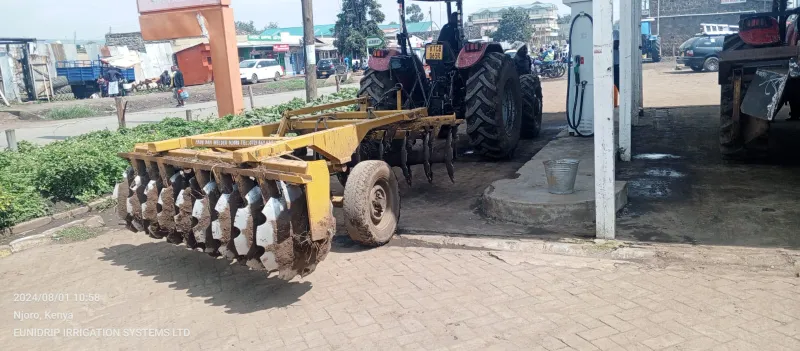
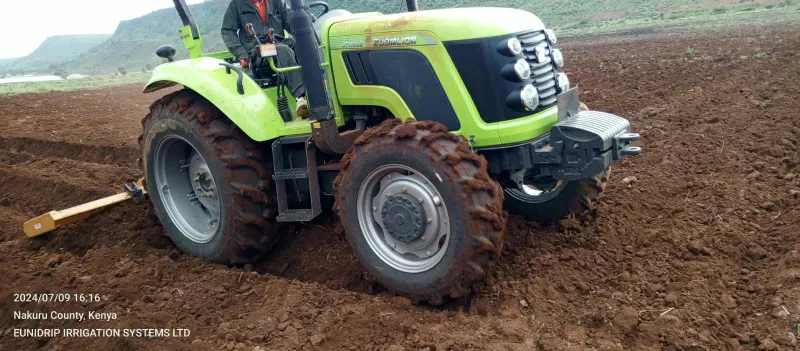
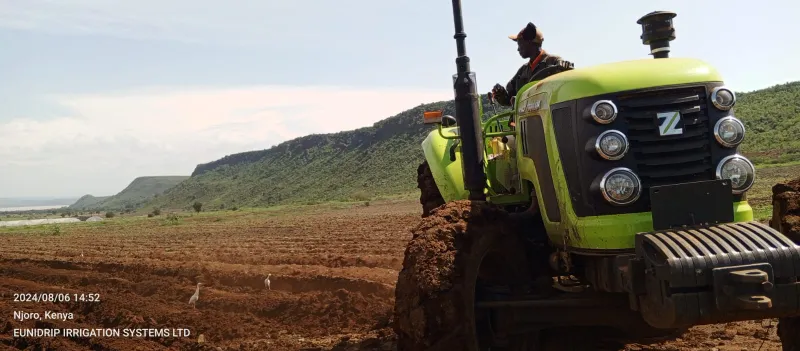
Match tractor power, tyre width, hitch, ballast and implement width to the field. A ripper can break a compacted layer; a plough can incorporate residues; a harrow can finish the tilth; and a ridger can form planting lines. Our Zoomlion tractor can be considered when its power and attachments match the approved work plan. Conversely, an oversized machine can increase compaction and turning damage.
4. Plan passes, fuel and field traffic
Plan the sequence before the first pass. Clear obstacles, rip only where compaction requires it, plough at the specified depth, then finish or form beds. Keep traffic on planned lanes and avoid crossing wet ground. Record machine hours, fuel, working width and completed acreage. As a result, the owner can compare productivity instead of guessing from a daily rate. Meanwhile, the operator can identify a slow section before it affects the whole block.
5. Coordinate land preparation with irrigation
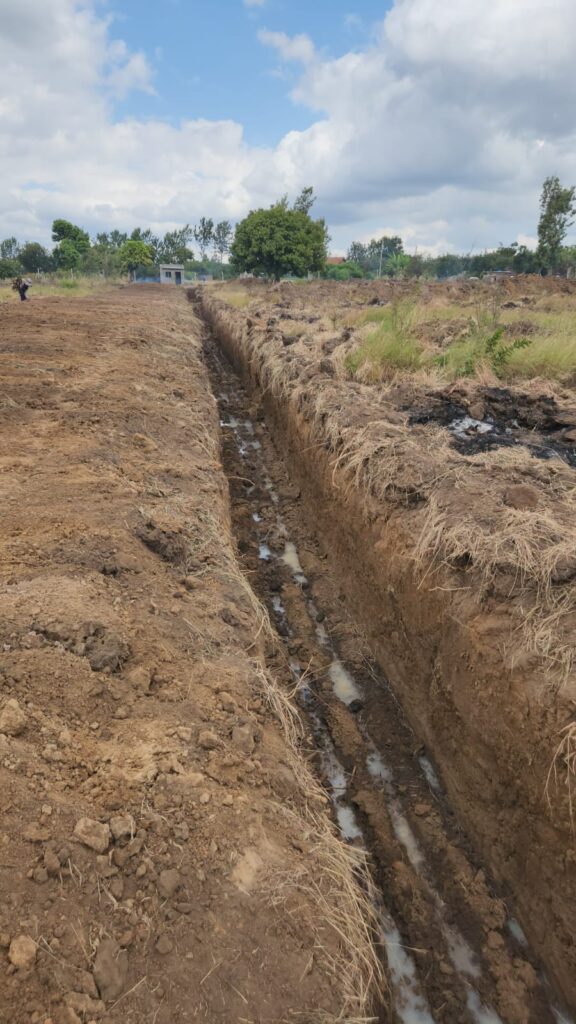
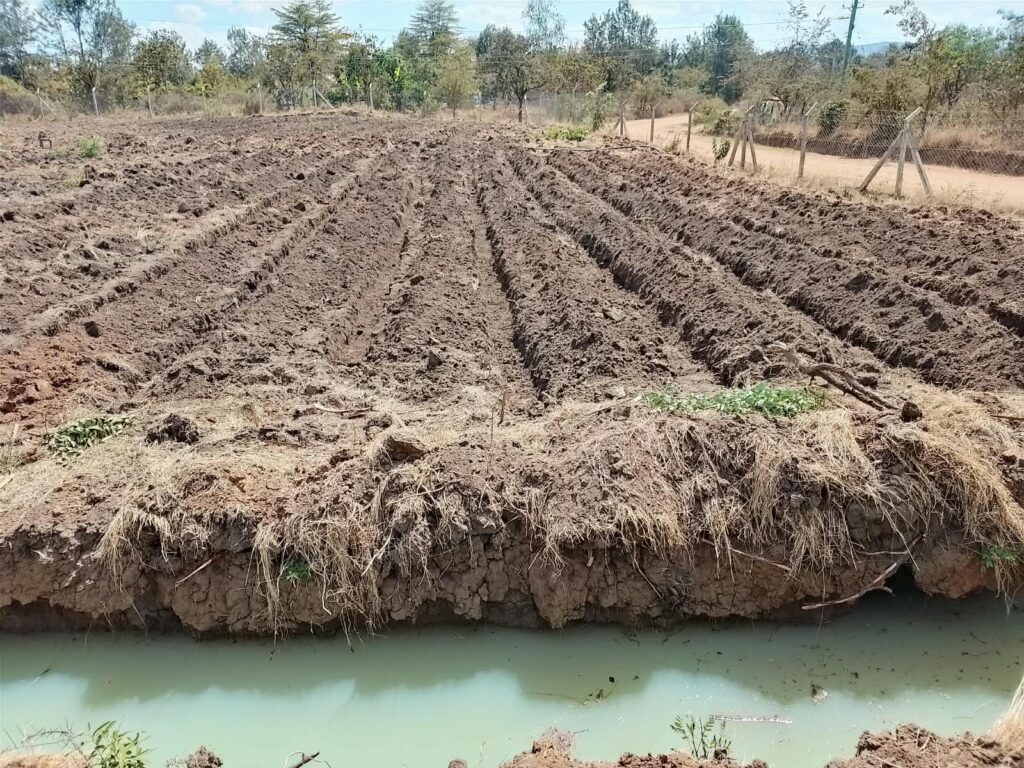
Mark reservoirs, mainlines, submains, valves, drainage and access before final grading. Our irrigation solutions team can coordinate routes with the field plan. Protect planned irrigation pipes from tractor traffic and leave room for flushing and maintenance. Meanwhile, beds and rows should follow the intended water-delivery pattern.
6. Mechanized land preparation: protect soil, water and useful residues
Keep stable vegetation on steep edges and around waterways. Avoid pushing soil into drains or compacting the root zone with repeated turns. Retain suitable residues where they protect soil, but remove material that blocks planters or irrigation. The FAO crop-water guidance supports planning drainage and crop demand together. In addition, keep a record of any area excluded from machine traffic.
7. Inspect and hand over the prepared field
Walk the finished block with the owner. Check depth, level, clods, stones, bed or ridge dimensions, drainage, headlands and access. Record completed acreage, machine settings, passes, fuel and outstanding work. Consequently, planting or irrigation installation begins from a documented condition.
Mechanized land preparation quotation checklist
Ask for acreage, implement, depth, pass count, production assumptions, operator, fuel, mobilisation, weather terms, residue handling and inspection to be listed separately. A clear quote prevents a low daily rate from hiding extra passes or transport.
| Requirement | Selection check |
|---|---|
| Power and implement | Tractor, hitch, width and ballast suit the soil and operation. |
| Field protection | Moisture limits, traffic lanes and waterways are marked. |
| Product coordination | Equipment and irrigation components fit the approved layout. |
| Handover | Acreage, depth, passes, settings and outstanding work recorded. |
A measurable scope makes mechanized land preparation easier to compare and supervise.
Frequently asked questions
What does mechanized land preparation include? It may include clearing, ripping, ploughing, harrowing, grading, ridging, bed forming and residue handling, depending on the scope.
How many passes are needed? The number depends on soil, moisture, compaction, residue and the required finish. Extra passes are not automatically better.
Can heavy machinery damage soil? Yes. Wet traffic and repeated turns can compact soil, so operators should follow moisture and traffic limits.
Should irrigation be installed before tillage? Mark routes early, but protect buried components from heavy machinery. Coordinate the sequence with the final field layout.
How do I compare mechanized preparation quotes? Compare acreage, implement, depth, passes, fuel, mobilisation, exclusions and handover—not only the daily rate.
Share the farm location, acreage, crop, soil condition, access and target date with our team. Our mechanized land preparation service can turn those details into a measured work plan for planting and irrigation.