

Table of Contents
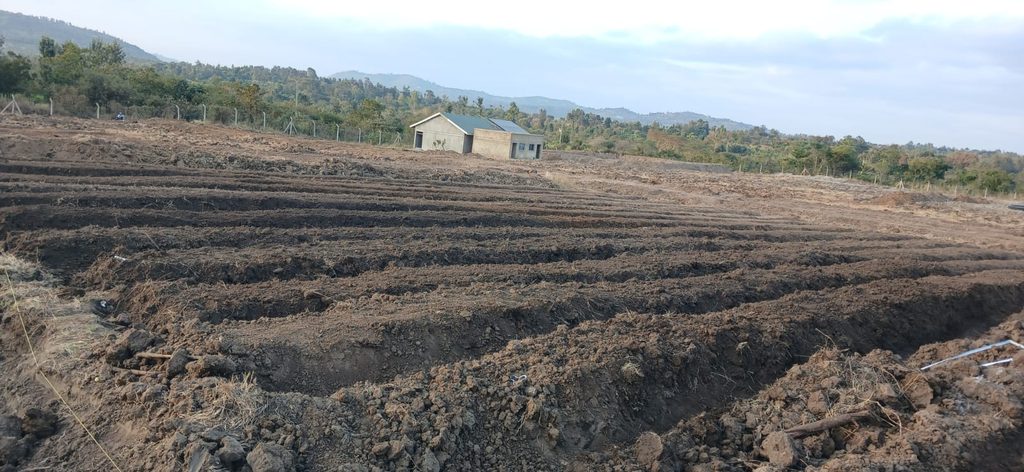
Bed forming contractors shape prepared soil into consistent planting beds for vegetables, herbs, flowers and other row crops. Our bed forming contractors set width, height, spacing and drainage around the crop plan, soil condition and available machinery. Correct beds make irrigation, planting, weeding and harvesting easier to repeat across the field.
Bed formation is more than running a ridger over loose soil. The operator must understand compaction, moisture, slope, row direction and the irrigation layout before the first pass. This guide explains seven checks for comparing a contractor and receiving a field that is ready for planting.
1. Bed forming contractors: define the scope
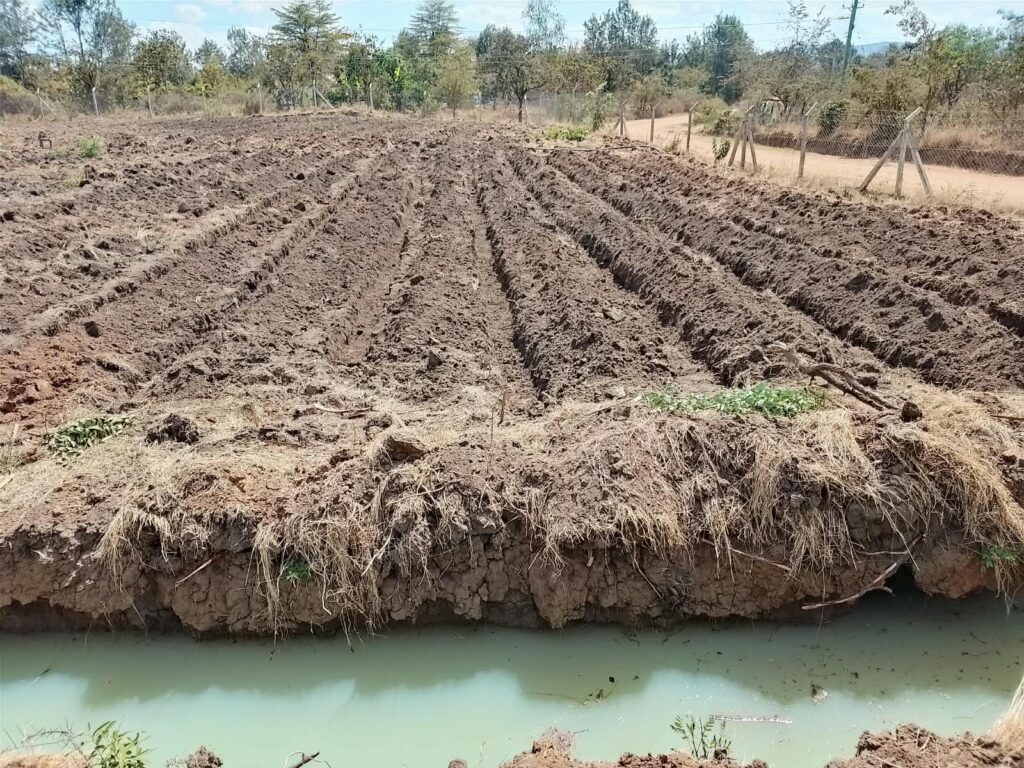
Record the crop, bed type, row spacing, planting date and workable acreage. State whether the field needs raised beds, flat beds, ridges, furrows or shaped channels. Include headlands, access lanes, drains, existing irrigation lines and turning space. A clear scope also records the acceptable bed height, top width, centre spacing and finish. Therefore, the contractor can price the same measurable result.
2. Bed forming contractors: inspect soil and moisture
Our bed forming contractors check texture, clods, hardpans, stones and moisture before selecting an implement. Soil that is too wet smears and compacts. Soil that is too dry may break into large clods and require extra passes. Therefore, the quotation should state the workable moisture window and what happens if rain delays the operation. Consequently, the owner knows when a weather pause protects the finished beds.
3. Bed forming contractors: set dimensions
Bed dimensions follow the crop and irrigation method. Narrow vegetable beds may carry one or two rows; wider beds can carry more rows if the wetting pattern reaches the root zone. Set the centre-to-centre spacing from the implement and crop plan, not from a guess made at the field edge. In addition, confirm the finished height so water drains without washing the shoulders away. The FAO crop-water guidance is a useful reference when drainage and irrigation demand are being planned together.
4. Align beds with irrigation and access
Run beds with the planned mainline, submain and lateral arrangement. Keep valves, walkways and tractor lanes accessible after the crop grows. Our irrigation solutions team can coordinate bed direction with water delivery and drainage. Meanwhile, the field plan should leave room for flushing points, crossings and maintenance.
5. Select the implement and tractor
Choose a ridger, bed shaper, rotary bed former or combination implement according to bed profile and soil. Check working width, power demand, depth control, mouldboard adjustment and replacement parts. Our Zoomlion tractor can be considered when its horsepower, tyre width and hitch match the selected bed former. For example, a wider tool may reduce passes but need larger headlands. Meanwhile, a narrow tool may suit small plots but increase operating time.
6. Bed forming contractors: form, finish and inspect the beds
Make a test strip before forming the full block. Measure top width, shoulder angle, height, centre spacing and row straightness. Check that the bed surface is firm enough for planting but not sealed. Correct the implement before proceeding. After the final pass, remove clods and stones that could obstruct planting or damage drip lines. In addition, confirm that the selected irrigation pipes can sit safely in the planned bed layout.
For instance, a shallow bed on heavy soil may need a wider shoulder and an open drain. A tall bed on light soil may need a gentler profile to reduce washout. The contractor should record the chosen profile rather than assume one shape suits every block.
7. Bed forming contractors: document the layout and hand over
Walk the finished block with the owner and compare it with the agreed dimensions. Record formed acreage, bed count, spacing, headland locations, wet areas and unfinished edges. Photograph the test strip and note the implement settings. Consequently, the farmer has a reference when planting, laying laterals or requesting a repeat service. However, any damaged or incomplete section should be corrected before handover.
What a bed-forming quotation should include
Ask bed forming contractors to price the same measurable work. The quotation should identify acreage, bed profile, dimensions, working depth, number of passes, test-strip approval, mobilisation, fuel, weather delays, residue handling and final inspection. It should also state who supplies the tractor, implement, survey control and any repairs after heavy rain.
| Requirement | Selection check |
|---|---|
| Bed profile | Raised, flat, ridge or furrow profile matched to crop and soil. |
| Dimensions | Top width, height, centre spacing and row count measured on a test strip. |
| Machine fit | Tractor horsepower, hitch, tool width and turning space confirmed. |
| Handover | Formed acreage, bed count, settings and unfinished items recorded. |
A measurable quotation helps the farmer compare bed forming contractors on the same field result.
Frequently asked questions
When should beds be formed? Form them after primary tillage and when soil moisture allows shaping without smearing or excessive clods.
How high should a raised bed be? Height depends on crop, soil drainage, rainfall and irrigation. Confirm the target with the agronomy and water plan.
Can beds be formed around existing drip lines? It is safer to mark and protect lines first. New beds should be coordinated with the irrigation layout.
How do I compare contractor prices? Compare formed acreage, dimensions, passes, machine responsibility, weather terms and the inspection standard.
What happens after bed formation? Inspect the test strip and full block, then plant or install irrigation while the layout is still clear.
Share the crop, bed dimensions, soil condition, acreage and target date with our team. Our bed forming contractors can turn those details into a measured field plan and coordinated irrigation setup.