

Table of Contents
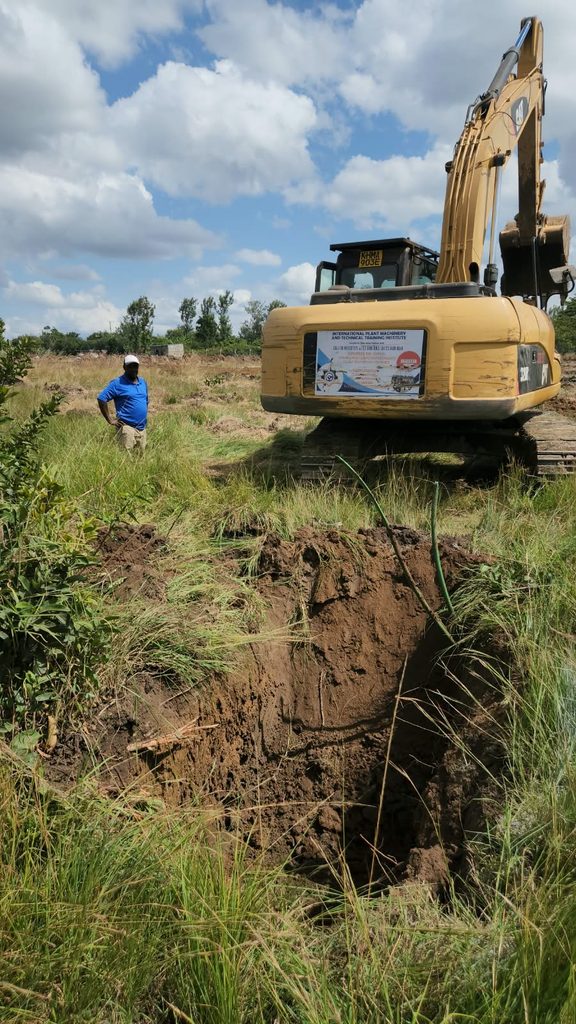
Bush clearing contractors convert an overgrown plot into a safer, measurable site for farming, irrigation, roads or construction. Our bush clearing contractors assess vegetation, stumps, stones, access and drainage before choosing equipment. The aim is a cleared block with controlled runoff, usable boundaries and a clear handover—not simply a field stripped of every plant.
Good clearing protects productive topsoil and reduces the risk of damaging buried services, neighbouring land or waterways. This guide explains seven checks for comparing bush clearing contractors and planning the next land-preparation stage.
1. Bush clearing contractors: define the scope
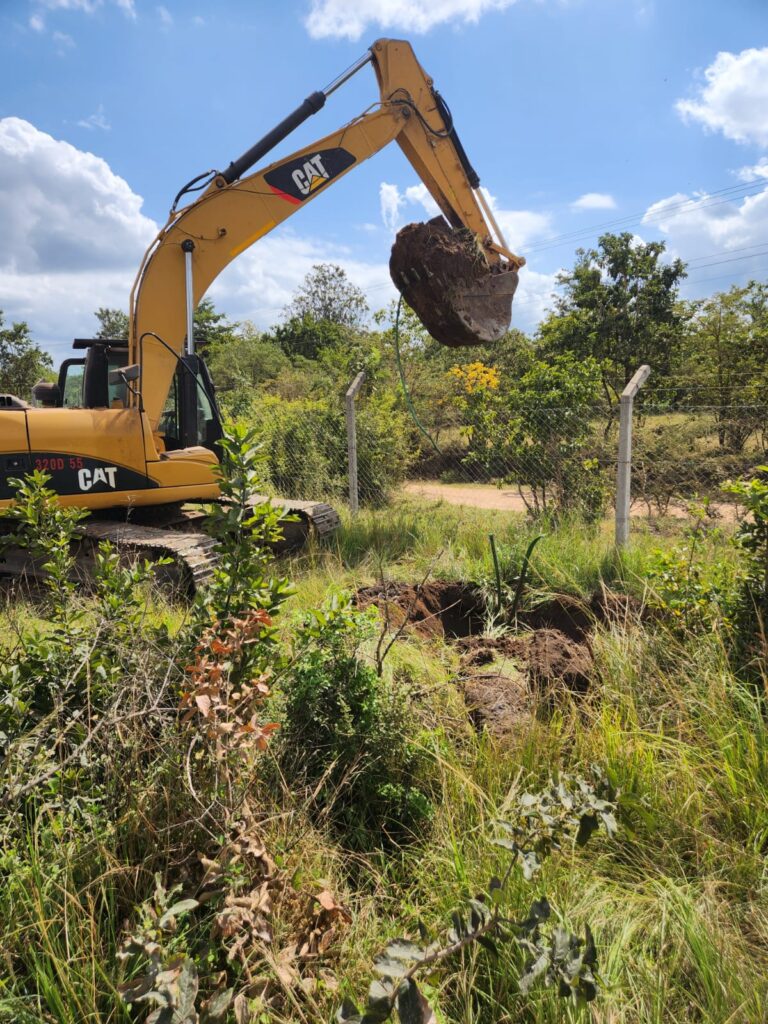
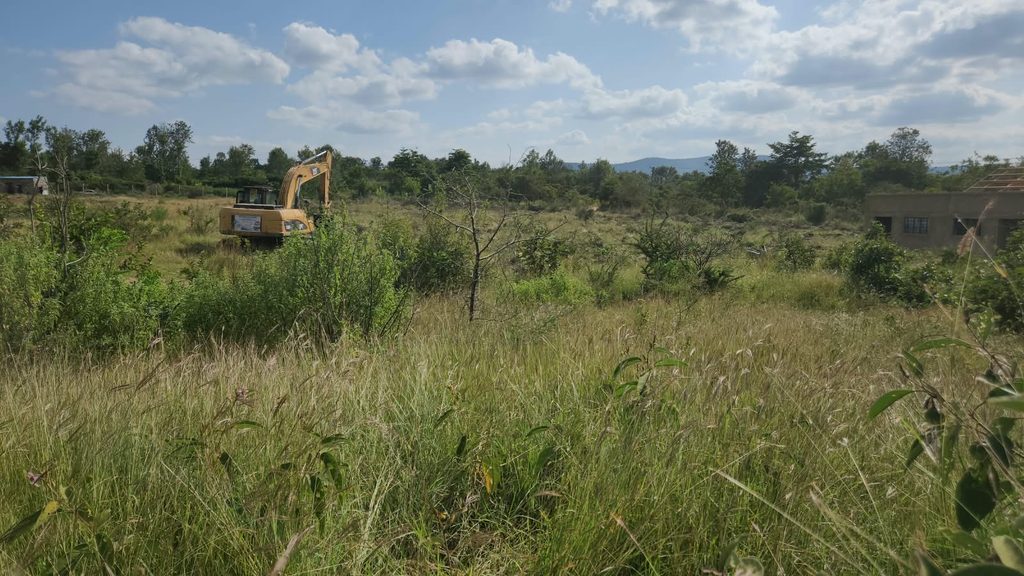
Record the boundary, workable acreage, vegetation type and target date. State whether the job covers grass, shrubs, mature trees, invasive plants, stumps, stones, old fencing or dumped material. Mark waterways, buildings, power lines, roads and neighbouring plots. Also decide whether cleared material will be chipped, stacked, spread, hauled away or retained for mulch. Therefore, every contractor prices the same measurable work. As a result, the owner can compare safety and disposal terms as well as the headline rate.
2. Bush clearing contractors: survey risks and access
Our bush clearing contractors walk the site before mobilisation. They check slope, wet ground, hidden drains, termite mounds, rocks, stumps and safe entry points. For larger blocks, GPS mapping can mark boundaries and exclusion zones. Access matters because a machine that cannot turn or cross soft ground safely may need a different attachment or a staged route.
In addition, identify buried pipes, cables and water lines before using a mulcher, dozer or excavator. A written exclusion map protects workers and prevents a clearing quote from becoming an emergency repair.
Before mobilisation, confirm the weather window and emergency contact. Wet ground can trap a machine and leave ruts that require grading. Dry, windy conditions can spread dust or fire, so the contractor should state when work pauses and how the site is secured overnight. Meanwhile, the owner should keep the access route clear.
3. Choose the clearing method
Light grass and brush may need slashing or flail mowing. Dense scrub may need a rotary cutter, forestry mulcher or excavator. Large stumps can require extraction, while stones may need collection or grading. The method should match vegetation size, soil moisture, slope and the intended land use. Conversely, a machine selected only for speed can scar topsoil or leave roots that regrow. In addition, record the chosen attachment so a follow-up contractor can repeat the result.
4. Bush clearing contractors: protect soil, water and useful vegetation
Keep stable vegetation on steep edges and around waterways where it reduces erosion. Avoid pushing soil into drainage paths. Leave a safe buffer around springs, dams and rivers, and follow local environmental requirements for disposal or burning. The FAO crop-water guidance illustrates why drainage and future water demand should be considered before the field is reshaped.
5. Coordinate machinery and the next farm stage
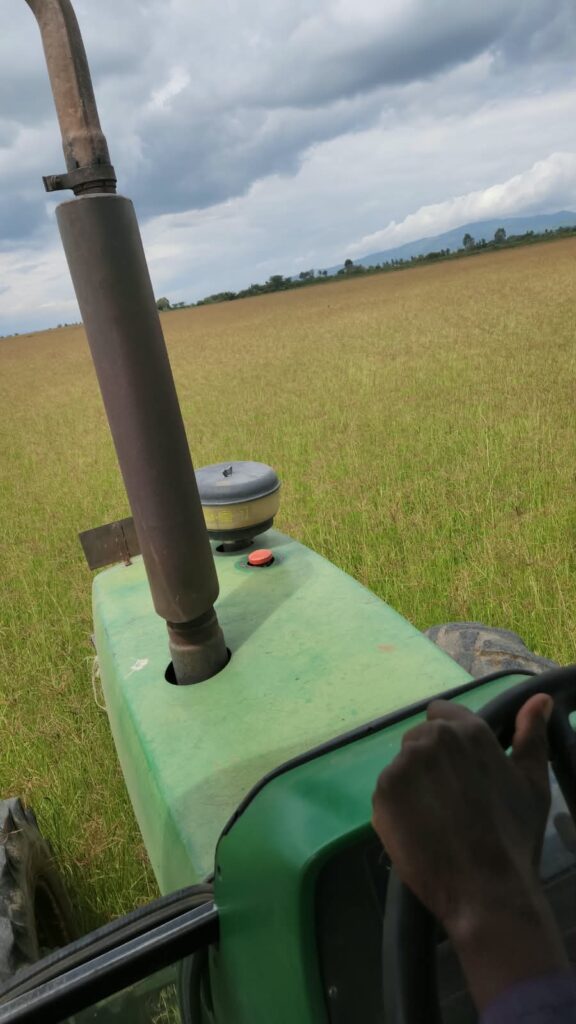
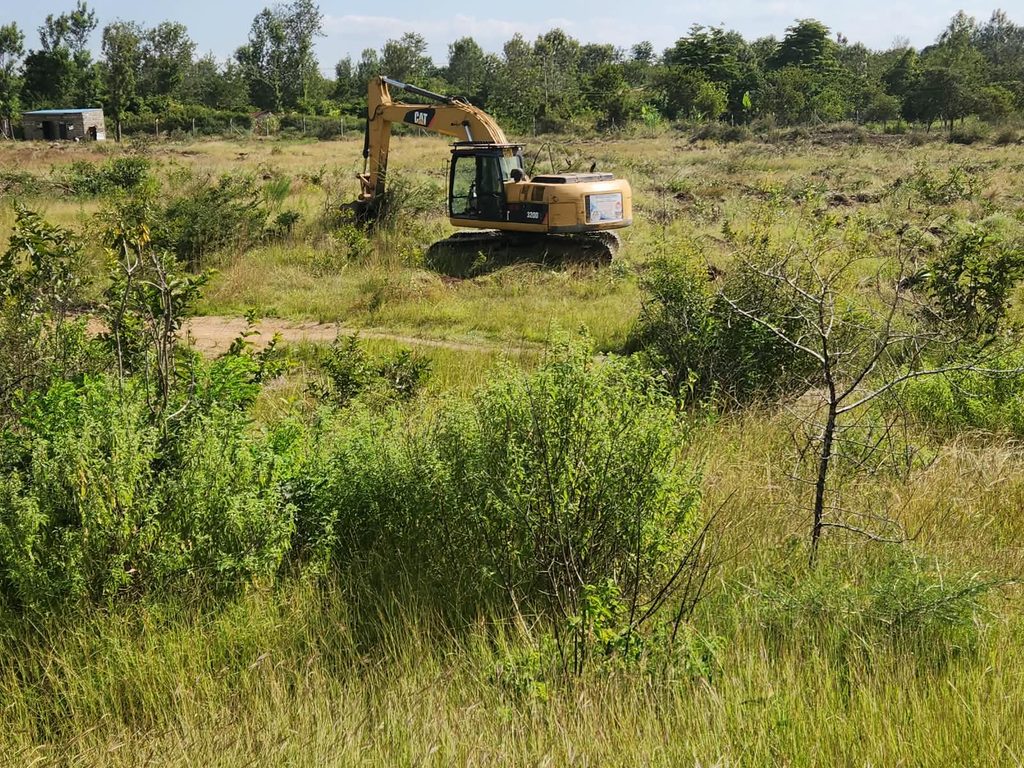
Clearing is usually the first pass, not the whole project. Coordinate the work with ripping, grading, bed forming, road construction or irrigation installation. Our irrigation solutions team can mark future water routes before heavy equipment closes access. Our Zoomlion tractor can be considered for compatible follow-up work when horsepower, attachment and ground conditions match. After clearing, planned irrigation pipes should remain protected from traffic and debris.
6. Bush clearing contractors: manage residues, stumps and regrowth
Agree how timber, brush, roots and stones will be handled. Chipping can retain organic material, while hauling may be safer near structures or irrigation routes. Stumps left below the surface can interfere with beds and foundations. However, deep extraction can disturb soil, so the method should follow the next land use. Record any regrowth risk and schedule a follow-up inspection where invasive species are present.
Where the cleared land will become a crop block, leave enough time for regrowth scouting before final soil preparation. Mark persistent roots or wet hollows on the handover plan. This information helps the next operator avoid repeating a pass or damaging a newly installed line.
7. Bush clearing contractors: inspect and hand over the cleared site
Walk the completed block with the owner. Check boundary lines, exclusion zones, stump treatment, drainage, access, remaining debris and any damaged area. Record cleared acreage, machine passes, disposal locations and outstanding work. Consequently, the farmer can move into soil preparation with a documented starting condition.
What a bush-clearing quotation should include
Ask bush clearing contractors to state acreage, vegetation class, machine and attachment, operator hours, mobilisation, fuel, disposal, stump depth, weather delays, safety controls and final inspection. The quote should also identify who confirms buried services and who repairs damage outside the approved work area.
| Requirement | Selection check |
|---|---|
| Clearing method | Attachment matched to vegetation, slope and soil moisture. |
| Site protection | Waterways, boundaries, services and exclusion zones marked. |
| Residue handling | Chipping, stacking, hauling or retention stated in the quote. |
| Handover | Cleared acreage, remaining risks and follow-up work recorded. |
A measurable scope helps the owner compare bush clearing contractors on safety and the finished site.
Frequently asked questions
When should bush clearing begin? Begin after the boundary, access, weather window and exclusion zones are confirmed.
Should every tree be removed? No. Retain useful windbreaks and stable vegetation where they fit the farm plan and safety requirements.
How are stumps handled? The method depends on the next use. They may be cut low, extracted, chipped or treated for regrowth.
Can clearing happen near irrigation lines? Only after routes are marked and protected. Coordinate heavy equipment with the irrigation layout.
How do I compare prices? Compare the same acreage, vegetation class, attachments, disposal, stump work, safety controls and handover standard.
Share the site location, acreage, vegetation, access, water features and target date with our team. Our bush clearing contractors can turn that brief into a controlled clearing plan and coordinated farm setup.