

Table of Contents
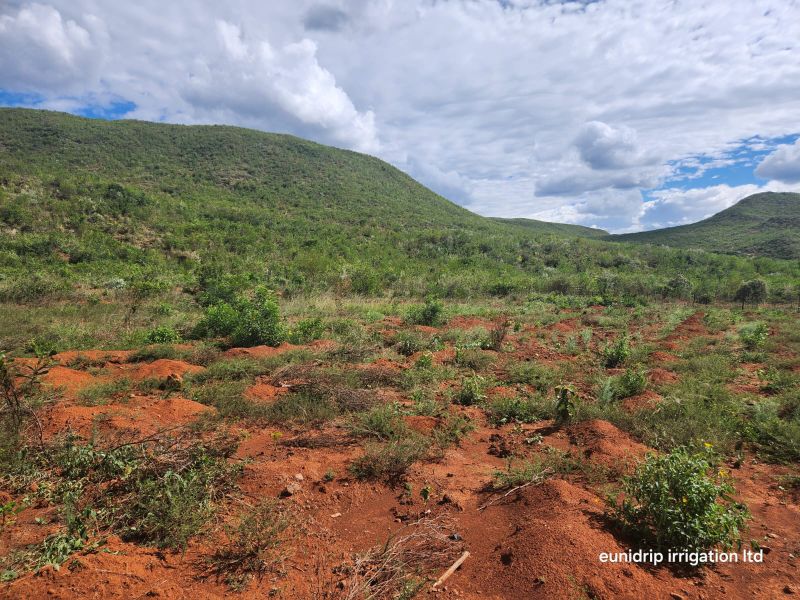
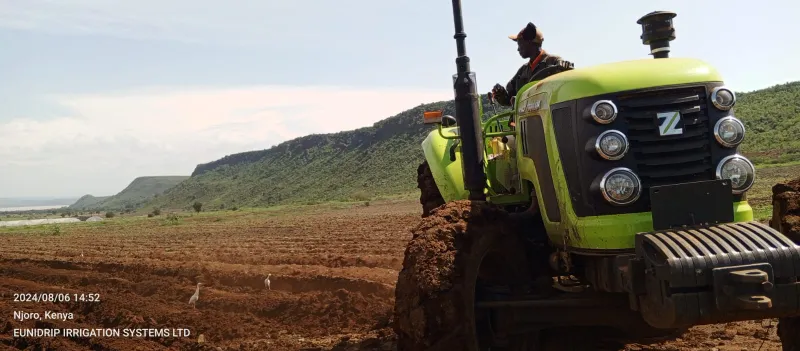
Land preparation contractors turn an overgrown, compacted or uneven plot into a workable field. Our land preparation contractors assess the soil, clear obstacles, shape the ground and coordinate the first irrigation or planting operation. The result is a field that drains, roots and carries farm traffic more reliably.
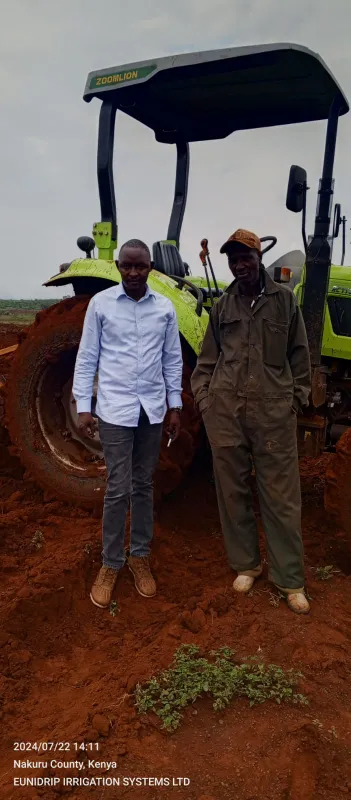
Good preparation starts before a tractor enters the field. The contractor should understand the crop, soil, slope, access, water plan and production calendar. This guide explains the seven checks that protect your budget and give the operator a clear handover.
1. Land preparation contractors: define the scope
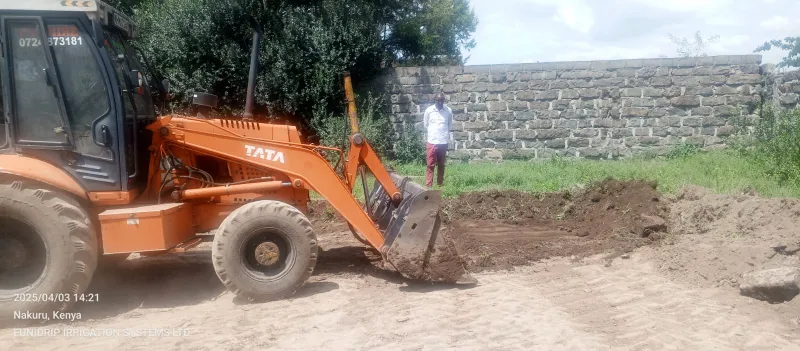
Start with the farm boundary, workable acreage and target crop. Record the planting date, existing vegetation, old structures, stones, stumps, access roads and drainage concerns. Also note whether the plot needs bush clearing, ripping, ploughing, harrowing, grading, ridging, bed formation or a combination. A written scope separates essential work from optional improvements and gives every contractor the same brief.
In practice, the scope should state what happens to removed vegetation and stones. It should also identify who supplies fuel, water, survey control and labour for hand clearing. Therefore, the contractor can price mobilisation and production time without hiding exclusions in a low headline rate.
2. Land preparation contractors: survey soil and slope
Our land preparation contractors inspect the soil profile, compaction, drainage and slope before recommending an implement. A simple field walk can find hardpans, wet pockets, erosion channels and areas that need different treatment. For larger blocks, levels and GPS mapping help mark cut-and-fill areas, safe turning routes and water-flow paths. Soil tests add texture, pH, organic matter and nutrient information to the equipment plan. For irrigation-linked projects, our irrigation solutions team can coordinate field levels with the later water layout.
3. Land preparation contractors: clear and manage residues
Clear brush, invasive weeds, stumps, stones and discarded wire before deep tillage. Keep useful crop residues where they protect the soil, but remove material that will block a planter or irrigation line. Burn only where local rules permit and where there is no safer residue plan. Chipping, mulching or controlled removal can preserve organic matter and reduce later passes.
However, residue treatment depends on the next crop and soil condition. A contractor should explain whether material is windrowed, spread, chipped or hauled away. That decision affects field hygiene, later passes and the time between clearing and planting.
4. Land preparation contractors: choose machinery and passes
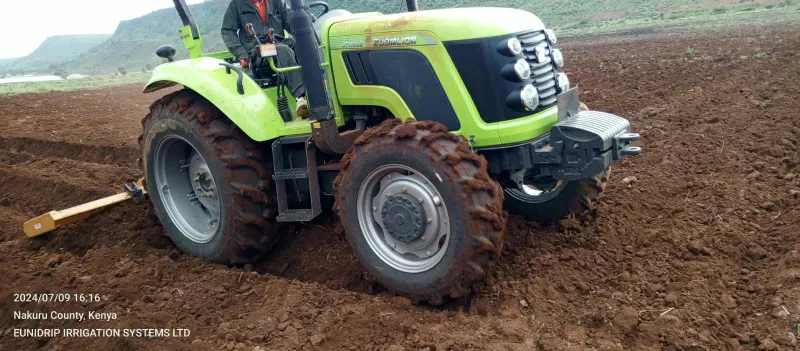
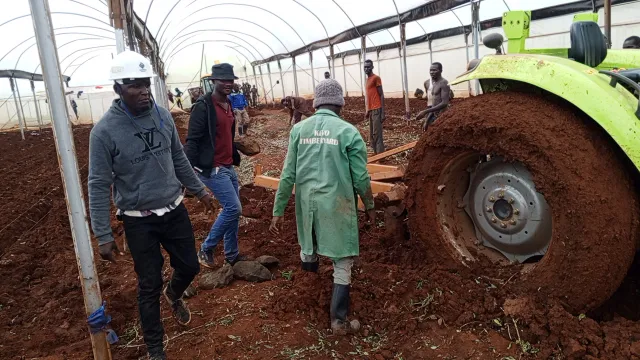
Match the tractor and implement to soil moisture, depth and field size. A ripper can break a compacted layer; a mouldboard or disc plough can incorporate vegetation; a harrow can finish the tilth; and a ridger can form planting lines. Too many passes waste fuel and destroy structure. Conversely, too few passes leave clods or compaction. Our Zoomlion tractor can be considered where its power, width and attachments match the approved work plan.
For example, a wet clay field may need a waiting period before ripping, while a dry sandy field may need fewer finishing passes. The operator should record field conditions rather than promise the same number of passes on every block.
5. Land preparation contractors: grade and control water
Grading is not simply moving soil until the surface looks flat. The finished levels must support crop rows, safe machinery movement and the planned irrigation method. Protect waterways, leave stable outlets and avoid directing runoff onto a neighbouring plot. Where irrigation is part of the project, coordinate grading with the mainline route, reservoir position and drainage before final compaction. The FAO evapotranspiration guidance also shows why slope, drainage and crop water demand should be planned together.
6. Prepare beds and planting lines
Set bed width, row spacing and traffic lanes from the crop plan. Vegetable beds need a finer, even surface than a broad-acre grain block. Orchards need accurately marked tree positions and access for future spraying or harvest. Meanwhile, keep wheel tracks away from the root zone and make headlands large enough for the selected machine to turn without damaging the finished beds.
7. Inspect, document and hand over
Before planting, walk the finished field with the owner. Check surface level, drainage, bed dimensions, compaction, stones, access and the locations of any buried services. Record the completed acreage, passes, dates, equipment, unusual wet areas and outstanding work. The handover should also show where irrigation lines, valves and future access routes will sit.
What to include in a contractor quotation
Ask for the measurable assumptions behind the price, not only a lump sum. The quote should state workable acreage, clearing limits, tillage depth, number of passes, grading tolerance, mobilisation, fuel responsibility, operator hours, weather delays, disposal and reinstatement. It should also identify who supplies survey data, soil tests, water permits and final inspection. Consequently, two bids can be compared on the same scope rather than on different assumptions.
| Requirement | What the quotation should show |
|---|---|
| Site preparation | Measured acreage, vegetation class, stones and stump limits. |
| Soil work | Implement, working depth, number of passes and moisture conditions. |
| Shaping | Bed, ridge or grade dimensions plus drainage responsibility. |
| Handover | Inspection checklist, as-worked area and outstanding items. |
A clear scope lets land preparation contractors price the same work and gives the farmer a measurable handover.
Frequently asked questions
When should land preparation start? Start after the crop calendar, soil moisture and access route are confirmed. Working saturated soil can create compaction that survives several seasons.
How do I compare two contractor quotes? Compare the same acreage, implement, depth, pass count, grading tolerance, mobilisation and handover standard. A cheaper rate may exclude clearing or disposal.
Can one tractor handle every field? Not always. Power, tyre width, implement size, soil condition and turning space determine the safe combination.
Should residues be removed? Remove material that blocks machinery or irrigation. Retain suitable residues when they protect soil and fit the crop establishment plan.
What should happen after preparation? Inspect the field, confirm drainage and bed dimensions, then install or mark irrigation routes before planting.
Share the farm location, acreage, crop, soil concerns, access and target date with our team. Our land preparation contractors can turn that brief into a measured work plan and coordinated farm setup. In addition, the selected Zoomlion tractor specification can be checked against the implement and soil duty.