

Table of Contents
Bringing in an imported feed chopper is a paperwork job before it is a machinery job. The machine itself is simple: a flywheel, a set of blades, a feed roller and an engine. Everything around it is not. Classification, conformity and clearing decide whether the machine saves money. The parts you cannot buy locally decide whether it stays useful.
First, settle one thing. Many feed choppers sold in Kenya are built here around an imported engine and an imported blade set. So ask which parts are actually imported. Then price the import lane against the local build on the same invoice, not on the sticker price alone.
- Check 1 – the machine matches your fodder and herd
- Check 2 – the landed cost is written down
- Check 3 – conformity is arranged before shipping
- Check 4 – clearing is planned, not improvised
- Check 5 – spare parts are identifiable
- Check 6 – power on your farm matches the machine
- Check 7 – shipping and collection are insured
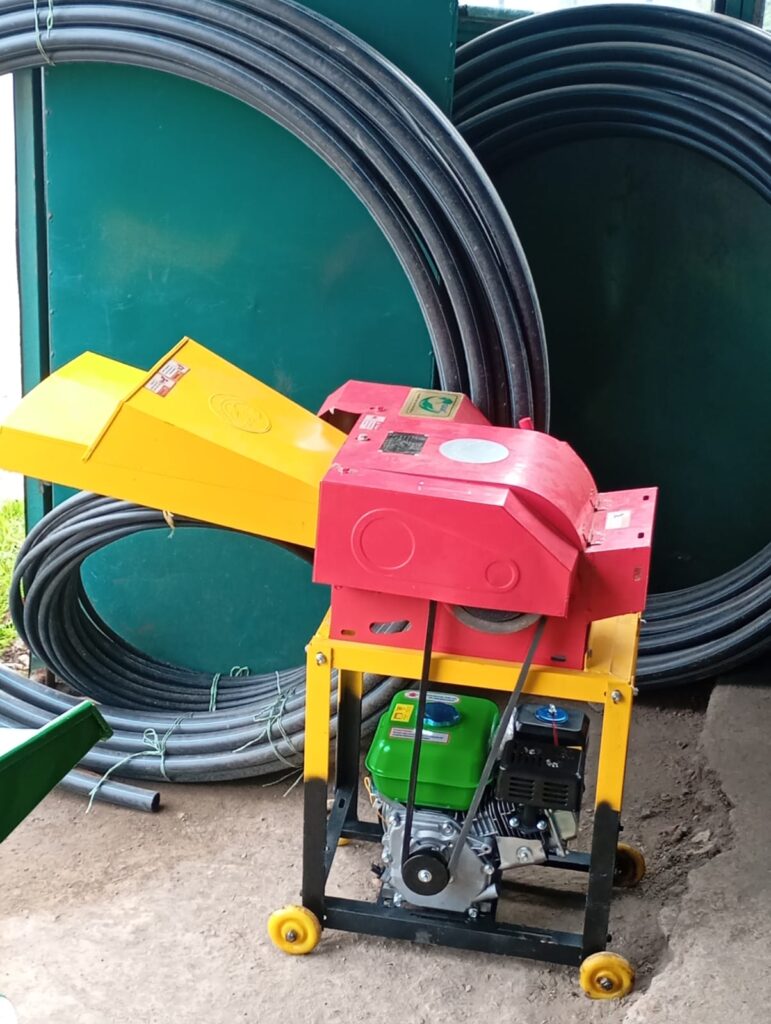
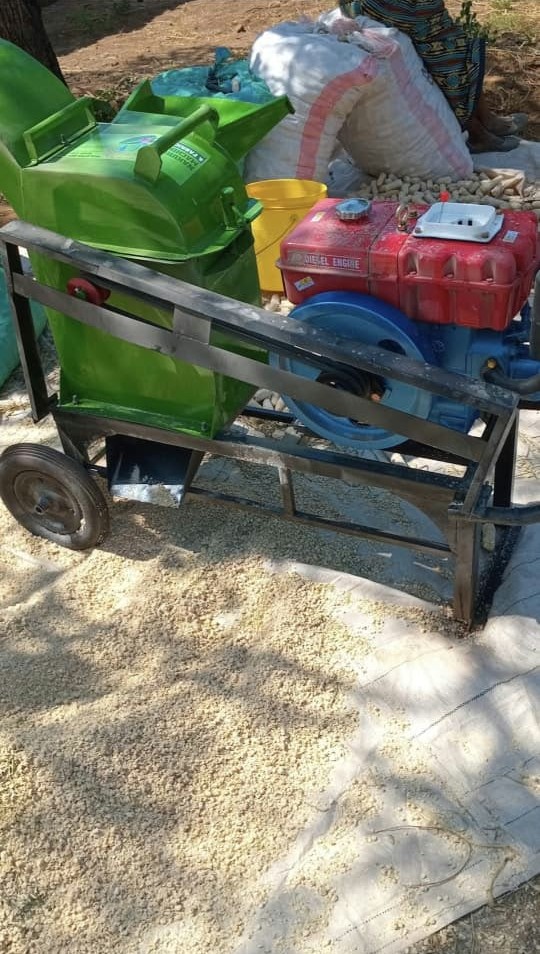
The Seven Checks at a Glance
| Check | What to confirm | Where it goes wrong |
|---|---|---|
| 1 Fodder match | Crop, output per hour, cut length | Machine too small for the herd, or cutting too long |
| 2 Landed cost | Freight, duty, VAT, clearing, transport | The budget stops at the invoice price |
| 3 Conformity | Certificate of Conformity, standards mark | Cargo held at the port for clearance |
| 4 Clearing | Licensed agent, IDF, entry lodged | Storage bills start on day one |
| 5 Spare parts | Blades, bearings, belts, engine parts | An idle machine after the first breakage |
| 6 Power | Phase, voltage, drive type | A motor that will not run on the farm |
| 7 Shipping | Crate, insurance, collection | Damage and a warranty that lapses in transit |
Check 1 – Match the Imported Feed Chopper to Your Fodder
An imported feed chopper is only cheap if it fits the job you have. Start with the fodder. Napier, maize stover, sweet potato vines and banana stems cut differently. In practice, a machine that handles one badly will slow you down every day. Then match output to the herd. A unit rated at one tonne an hour will not feed a herd of forty. In a wet season you may chop twice a day.
Next, look at cut length. This is the number traders forget. Penn State Extension recommends a theoretical length of cut near 13 mm to 19 mm for haylage and small grain silage. For corn silage the band is about 10 mm to 19 mm. Longer chop sorts poorly in the rumen and gets refused at the trough. Shorter chop costs more power per tonne. So the machine needs an adjustable cut length, not one fixed setting.
Finally, count the blades and check the feed. A three-blade flywheel cuts faster but takes more power. A two-blade unit is easier to keep sharp. Ask for the blade count, the flywheel speed and the rated output in writing. Then compare two suppliers on those three numbers alone.
Check 2 – The Landed Cost of an Imported Feed Chopper
The landed cost is the only price that matters. It is built from eight lines, so put each one on paper before you send a deposit:
- Ex-works or FOB price of the machine
- Freight to Mombasa, by sea or by road
- Marine insurance
- Import duty assigned to the machine’s tariff classification
- Value added tax charged at the point of entry
- Levies charged with the entry
- Clearing agent and port charges
- Transport from the port or the yard to your farm
Because duty depends on how the machine is classified, do not accept a percentage quoted from memory. Ask the clearing agent to run the classification and a valuation before you commit. The Kenya Revenue Authority publishes the import procedure itself. The entry is then lodged against a declared value, not against what you hoped to pay.
For the price of specific models already in the country, read the chaff cutter machine price in Kenya page. This page does not restate those figures, because a landed cost and a local price are two different numbers.
Check 3 – Conformity Before the Imported Feed Chopper Ships
Conformity is the step that stops more imports than duty does. The Revenue Authority’s import procedure is blunt. Importing machinery requires a licensed customs clearing agent, an Import Declaration Form and a customs entry. Regulated products also need a Certificate of Conformity from the pre-export verification agent, plus an import standards mark where it applies.
Typically the certificate is issued in the country of export, before the machine sails. If nobody arranges it, the machine arrives without it and sits at the port while you argue. Then confirm three things in writing: who applies, who pays, and what happens if it fails inspection abroad.
Check 4 – Clearing the Imported Feed Chopper Without Storage Bills
Clearing is a schedule, not an event. The agent lodges the entry on the customs system, pays the duty and taxes, and releases the cargo. Every day the machine sits waiting is a storage charge. Those charges are billed to whoever holds the documents. Therefore agree the timetable before the vessel arrives, and name one person who owns it.
Use a licensed clearing agent, and check the licence rather than the business card. Ask for a written quote that separates government charges from the agent’s own fee. Then ask what the agent needs from you and by when. A short list is a good sign: invoice, packing list, certificate and the exemption paperwork if any applies.
Check 5 – Spare Parts for an Imported Feed Chopper
This is where an imported feed chopper earns or loses its keep. Blades wear, belts stretch and bearings fail. None of that is unusual. What matters is whether the part can be replaced in a week or in a season.
Ask the supplier for four things: the blade part number, the belt size, the bearing number, and the engine model. Then ask which of those are stocked in Kenya. If the answer is none, price a second blade set into the deal. Blades are the part you will replace most often. A spare set costs far less than a month of idle feeding.
Also ask who sharpens blades locally. A blunt blade smears the fodder instead of cutting it. The animals then sort it out at the trough.
Check 6 – Power and Drive on the Farm
Power is the check that quietly decides the whole purchase. Electric units come in single phase and three phase. A farm on single phase cannot run a three phase motor without a converter. The converter costs money and loses efficiency. Therefore confirm the supply you actually have, not the supply you plan to install.
Voltage and frequency matter too. A machine built for another market may carry a motor rated for a different frequency. A petrol or diesel engine removes that problem, which is why most small feed choppers in Kenya are engine driven. If you already own a tractor, a PTO driven unit avoids buying an engine at all. The PTO driven feed chopper in Kenya guide covers that choice.
Check 7 – Shipping, Crate and Collection
Shipping is the last place to save money badly. A feed chopper travels well when it is crated, strapped and insured. Loose in a shared container, it travels badly. Ask for the crate dimensions and the gross weight before you book, because both change the freight quote.
Then insure the cargo for its landed value, not its invoice value. Inspect the machine before you sign the delivery note, and photograph the crate on arrival. If the machine is damaged, the photographs and the signed note are the claim.
Finally, agree when the warranty starts. A warranty that begins at the factory door has often expired before the machine ever cuts fodder.
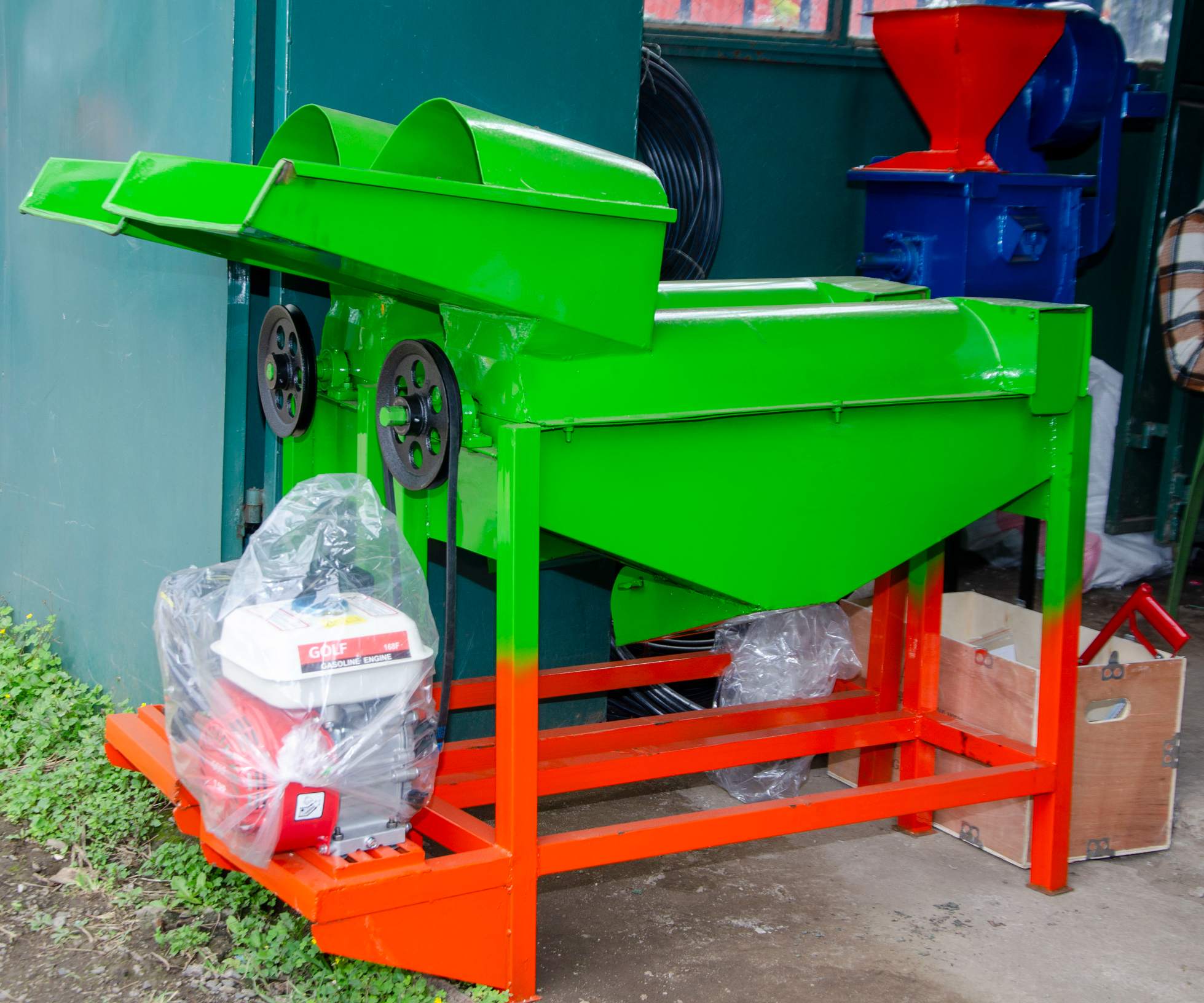
Imported Feed Chopper vs a Locally Built Machine
The honest comparison is not import against local. It is imported parts against imported parts, because most units sold here mix the two. A locally built frame with an imported engine and blade set can be repaired quickly. It still cuts to a consistent length. However, a fully imported machine may be better finished, and harder to fix.
Compare four things: cutting performance, spare parts lead time, landed cost, and who answers the phone when it breaks. If the imported machine wins on all four, import it. If it wins only on finish, buy the local build and spend the difference on a spare blade set.
For models already on the market, read the feed chopper for sale in Kenya guide. For how the machines behave day to day, including drive types and maintenance, see chaff cutter operations in Kenya. Both sit alongside our shop’s chaff cutter for sale in Kenya listing, where the current units and their specifications are posted.
Frequently Asked Questions About Imported Feed Choppers
How much does it cost to import a feed chopper into Kenya? The machine price is only the first line. Add freight, insurance, duty on the tariff classification, value added tax, levies, clearing and transport to the farm. Ask an agent for a landed-cost estimate before you commit.
Do I need a certificate to import one? Regulated products need a Certificate of Conformity issued before shipment, and an import standards mark where it applies. Confirm the requirement with your agent before the machine leaves the factory.
Is an imported feed chopper better than a local one? Not automatically. It depends on the blade set, the engine, the parts lead time and the total landed cost. A local frame with imported parts is often the easier machine to keep running.
Can I import one machine without a container? Yes. A single feed chopper can travel as loose or part cargo, crated. Confirm the crate dimensions and gross weight first, because both drive the freight quote.
What cut length should the machine hold? Aim for 13 mm to 19 mm on haylage and small grain silage. On corn silage, 10 mm to 19 mm works. An adjustable cut length lets you move within that band as the fodder changes.
If you would rather not run the import lane yourself, talk to us before you wire a deposit. We supply feed choppers in Kenya. Tell us about your fodder and herd, and we will say which checks matter most for you.