
Greenhouse Construction in Kenya: Cost, Steps, Styles
Greenhouse construction in Kenya has become a serious business. Many farmers still make small mistakes. Every one of those mistakes is correctable.
Over the last couple of years, the world has faced a global food crisis, and Kenya is no exception. Drought and famine have sharpened food insecurity here. Meanwhile the climate has changed, and the pattern is mostly dry seasons. Because of that, farmers suffer poor soil nutrition and water shortages. Those are poor conditions for food production. As a result, more growers now turn to greenhouse construction in Kenya so they can crop in both the wet and the dry season.
The importance of greenhouses for food security
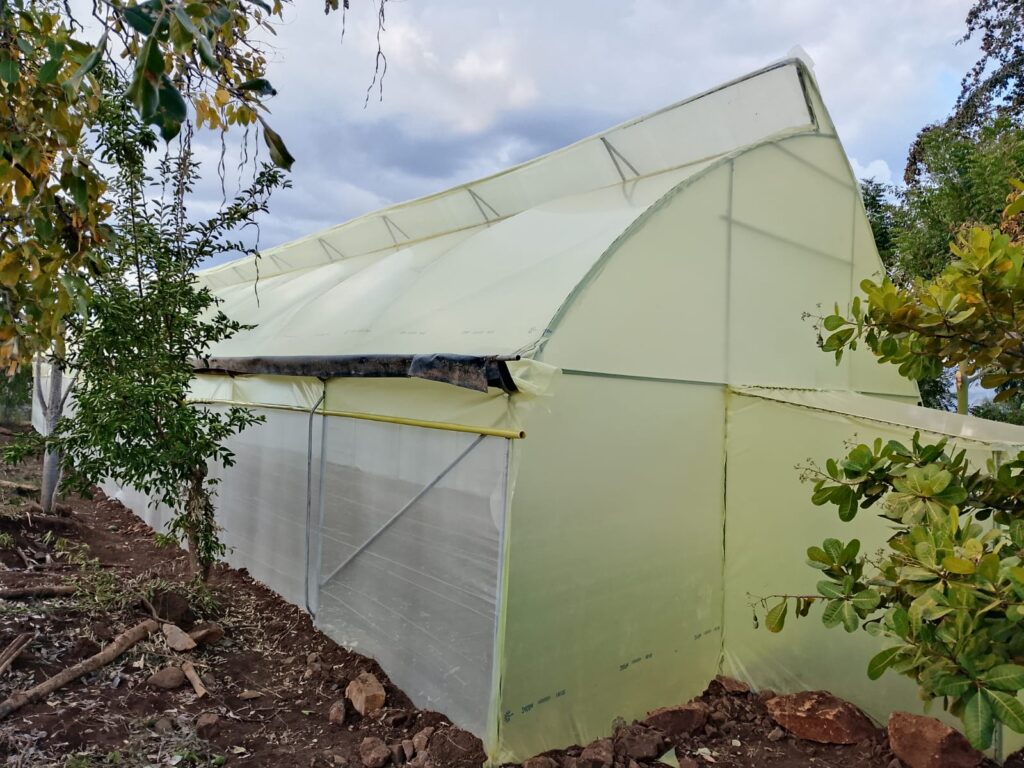
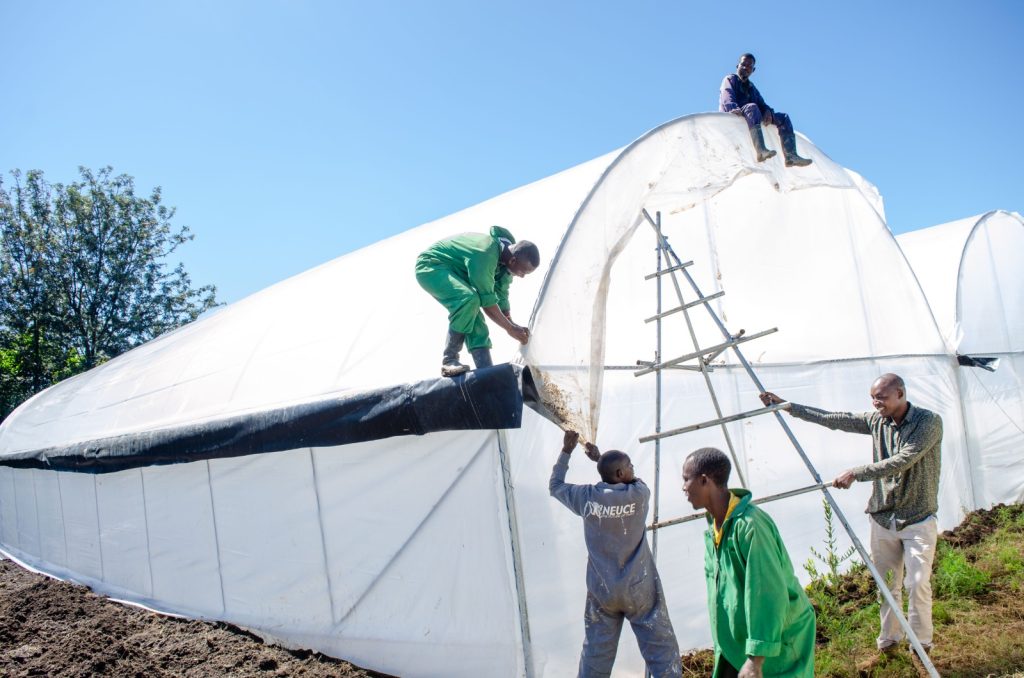
Greenhouses have proven an effective way to raise productivity. That holds for small scale and large scale farmers alike. Besides, they improve livelihoods and support food security in Kenya. Farmers can build plastic-covered structures or permanent glass ones. Both create a suitable environment for healthy crops all year round. Crop growth in these structures depends on good irrigation. In addition, the temperature is mechanically controlled.
The benefits of greenhouse construction in Kenya
Farmers have come to realise how much a covered structure changes the season. Typically, the biggest gains are these:
- A greenhouse delivers an extended growing season.
- Food production becomes consistent and reliable.
- You can plant a wider variety of crops.
- It lets you control the growing environment, humidity and soil easily.
- Also, insect and animal infestation is far easier to block out.
Decide whether you need to do Greenhouse construction in Kenya
Once you commit to greenhouse farming, one question comes first. Should you build, or buy a finished structure? But before that, look at your site. Establish whether you have enough space for the crop you want.
Before you settle the buy-or-build choice, ask yourself a few honest questions. First, which plants do you intend to grow, and how much space will they need? Additionally, is there a tree nearby to give shade? If so, does it drop its leaves in the dry season?
You also need to consider the construction material, particularly the foundation. Moreover, assess whether your soil drains well. If it does not, plan a water recycling system. Then confirm two utilities: enough water on the site, and electrical connectivity.
Most importantly, set your budget. Then decide which option fits it. Building or buying? Beyond cost, remember that greenhouses must be built a particular way. Your crops will only grow as expected if the structure is right. Position it for optimal daylight, and plan on about 6 hours of sun every day. For the build sequence itself, see our greenhouse installation stages.
Buying or building: two things that decide it
Natural sun is not enough on its own. You must also install energy-efficient lights. Before you choose, look at the design. Do you want an all-in-one structure, or one built to your own plan? If it is the latter, you are better off building. You can then customise it to your exact requirements.
However, if you want this as a side business, buy an established structure. Interestingly, several Kenyan companies now lease greenhouses for a set period. Some of those who have leased claim the business is profitable. Treat that as a claim, not a guarantee.
| Factor | Build it | Buy it |
|---|---|---|
| Upfront cost | Lowest with an attached or lean-to wall | Set by the supplier’s own design |
| Time to first planting | Some styles can be raised in a single day | The structure arrives already built |
| Design control | You set the layout and the size | You take the supplier’s design |
| Daylight | Lean-to designs get sun from three sides only | Freestanding units can face the sun squarely |
If you want the build broken into ordered stages rather than decisions, follow our 7-step construction guide.
How to get started in greenhouse construction in Kenya
By the time you choose buy or build, you know the space you need. It is crucial to treat the greenhouse as a long-term investment. Consequently, plan room for the plants you will grow in the years ahead.
Greenhouse construction in Kenya must also suit the plant you choose. For instance, vegetables need plenty of headroom. They also need maximum light.
Next, pick a style. Several exist, and some can be raised in a single day. Here are the two most common, judged by budget and need.
Freestanding greenhouse construction in Kenya
These are stand-alone structures. Therefore you can place them anywhere on your property. The one condition is light: choose a position that gets enough sun. You can grow a wide range of crops inside, and you can start as early as January.
Attached or lean-to greenhouse construction
You could also go for this style. Such greenhouses do not need all four walls built. However, one wall must be sturdy, such as the wall of your house. The remaining three sides can then be lighter.
Because of that design, attached greenhouses cost less than most styles. You can use them for seedlings and herbs. In contrast, sunlight enters from only three sides. That is their main drawback.
Your greenhouse construction in Kenya should feature one of these styles. The right answer depends entirely on the crop you want to grow. It is also wise to avoid building near coniferous trees. Those trees keep their needles in the cool season. As a result, they block the little sunlight available.
You can raise the structure on almost any surface. First, though, pick an area with good drainage. Then lay a layer of landscape cloth where the greenhouse will stand. Doing so allows proper drainage. It also keeps the weeds out.
The county you build in changes the detail of the job. We keep separate guides for two of our localities: greenhouse construction in Nakuru and greenhouse construction in Ol Kalou.
What Eunidrip includes in a greenhouse construction package
- Water tank.
- A drip irrigation system for the line layout.
- Galvanised steel structures.
- Polythene sheeting and insect netting.
- A germination set.
- Knapsack sprayer.
- Side rolls that open and close to control airflow.
Installed pricing varies with size and site. Rather than guess, read our current guide to the cost of a greenhouse in Kenya.
How to prepare for your first growing season
Your greenhouse is now up, accessories and all. Next, prepare for the growing season. What you plant depends on the crop you chose.
If this is your first season, start with straightforward crops. Complicated crops demand experience you do not have yet. Most greenhouse farmers in Kenya begin with tomatoes, carrots, leafy greens and turnips. It is also advisable to group plants with a similar growth cycle. Then you can organise the planting season around them.
You should also know that not every seed will germinate. That is why you plant more seed than you expect to grow. Doing so saves the time you would otherwise spend transplanting. On the other hand, climbing crops such as tomatoes need support. Plant them on a raised platform on the greenhouse floor. A bench works as well.
Pesticides and how to avoid needing them
Experts usually advise against pesticides inside a greenhouse. They can compromise produce quality, yet some owners still spray. Instead of reaching for chemicals, get the build right. A well-made greenhouse keeps pests out by design.
Fit insect screens on the exhausts and the air intakes. Those block insects and mites at the openings. Furthermore, keep your greenhouse tools inside the greenhouse. Using them elsewhere invites cross-contamination, and that is how diseases arrive.
Fertilizer choices
Most greenhouse owners in Kenya prefer organic fertilizer to manufactured products. If you can source good natural manure, you are ahead. However, some seasons call for manufactured fertilizer. Then it is the reliable way to deliver the nutrients your crops need.
Environmental control in greenhouse construction in Kenya
Greenhouse construction in Kenya should never skip environmental control. A greenhouse is, by definition, a controlled environment. Heating comes first on that list. Insulate the structure so crops still get warmth when there is no sun. Heaters are available in several types, powered in different ways. In addition, choose a heating system with an automatic shut-off.
Shading is the second requirement. Shade matters when the sun is fierce and hitting the cover directly. Roll-up screens of aluminium or wood will do. So will polypropylene shade cloth, or a paint-on shading material.
Ventilation is the third. Why does it matter so much? Because plants overheat too. Vents keep air moving, which prevents damage to the crop. Proper ventilation also lowers the risk of many plant diseases.
Challenges of greenhouse construction in Kenya
A greenhouse in Kenya brings rewards. It brings problems too. The main ones are these:
- Temperature and humidity. Harvests fail when these drift outside the workable range. Ideally hold 16 to 30 degrees Celsius by day. At night, hold 13 to 18 degrees. Anything outside that band causes issues. Proper ventilation is the practical counter.
- Loss of soil fertility. Growers also report falling yields from tired soil. You can counteract this by rotating crops, treating the soil, or growing in pots.
- Pests and diseases. These remain the hardest problem for Kenyan greenhouse farmers. They cut productivity sharply and are stubborn to remove. However, UV-absorbing plastics limit the insects that get in.
Crops that suit greenhouse construction in Kenya
Six crops are covered below. Onions are worth a seventh look, and they already have a guide of their own: greenhouse onion farming.
1. Tomatoes
Tomatoes love heat. Under polythene sheeting, the warmth that builds up suits their growth. That is where the good harvest comes from.
2. Peppers
Inside a greenhouse, peppers are certain to get more heat than they would outside. In turn, that higher and steadier warmth gives a much larger harvest.
3. Cucumbers
Cucumbers are a simple vegetable to grow. You do not need many to get a good yield. They sprout freely and push lateral growth, which means more fruit on the laterals.
One caution, though. If you grow cucumbers inside, remember that they bush out. Left unchecked they take the space over.
Widely spaced drip tape solves the crowding. For cucumber, the common drip line spacing is 40 cm or 45 cm.
4. Microgreens
Microgreens are another easy green to raise. Moreover, they need little space and little time. They are also a quick health boost, ready to toss onto a meal.
5. Strawberries
Strawberries can be planted in containers. That means you can move them around inside the greenhouse.
6. Spinach
Spinach spacing changes with the weather and the seed variety. Use 60 cm by 60 cm, or 45 cm by 45 cm, depending on local humidity. In hotter areas, farmers are advised to use 60 cm by 60 cm. That spacing avoids moisture stress.
Moisture stress hits yields hard. The plant simply produces fewer leaves and fewer roots.
Farmers growing organically are advised to apply NPK (nitrogen, phosphorus and potassium) plus a lime solution. Do this each time you grow spinach.
NPK boosts the plant’s growth. Meanwhile the lime solution regulates soil pH to around 6.0 to 6.8. That is the range in which spinach thrives. It also lets the plant take up the nutrients in the compost properly.
Apply nitrogen generously, since it drives large, healthy leaves. Depending on the variety, spinach matures in about two months or less.
Frequently Asked Questions about greenhouse construction in Kenya
What temperature should greenhouse construction in Kenya hold?
Aim for 16 to 30 degrees Celsius through the day. At night, hold 13 to 18 degrees. Outside that band, yields suffer. Ventilation is your first line of correction.
How much sunlight does the site need?
Plan on about 6 hours of direct sun each day. For that reason we advise against coniferous trees nearby. They keep their needles in the cool season and block the light.
Is it cheaper to build or to buy?
An attached or lean-to design is usually the cheapest, because one wall already exists. Building your own also lets you customise. However, buying a finished structure is faster, and that matters if this is a side business.
What drip spacing works for greenhouse cucumbers?
Use 40 cm or 45 cm spacing on the drip line or tape. That wider spacing keeps the plants from crowding each other out.
Which soil pH does greenhouse spinach need?
Keep it between 6.0 and 6.8. A lime solution is the practical way to hold that range. Then the plant can use the nutrients in your compost.
Should I spray pesticides inside the greenhouse?
Most experts advise against it, since residues compromise produce quality. Instead, fit insect screens on every vent. Also keep greenhouse tools out of the open field, so you do not carry pests in.
Conclusion
Greenhouse construction in Kenya is an effective answer to the country’s food security crisis. A greenhouse lets you grow quality crops the whole year. The condition is build quality: the structure must be made properly. You will meet challenges along the way. As shown above, each of them has a workable counter.